


Introduction Homeowners who invest in energy-efficient upgrades can qualify for valuable tax credits, helping them save money while reducing their carbon footprint. The IRS offers two main energy tax...

Introduction Charitable donations can lower your tax bill while supporting causes you care about. The IRS allows deductions for qualified contributions, but specific rules apply. To claim the deduction,...

Introduction Business travel can be a significant expense, but the IRS allows deductions for ordinary and necessary travel costs related to your work. Whether you’re a self-employed professional, freelancer,...

Introduction Higher education can be expensive, but the IRS offers tax credits that help students and parents reduce their tax burden. The American Opportunity Tax Credit (AOTC) and the...

Introduction Medical expenses can be a significant financial burden, but the IRS allows taxpayers to deduct qualified medical costs that exceed a certain percentage of their adjusted gross income...

Introduction Many taxpayers miss out on valuable deductions simply because they don’t know they exist. The IRS tax code allows for several deductions that can reduce taxable income, but...

Introduction Failing to file or pay taxes on time can lead to significant IRS penalties and interest charges. These penalties accumulate quickly, increasing your overall tax burden. Fortunately, the...
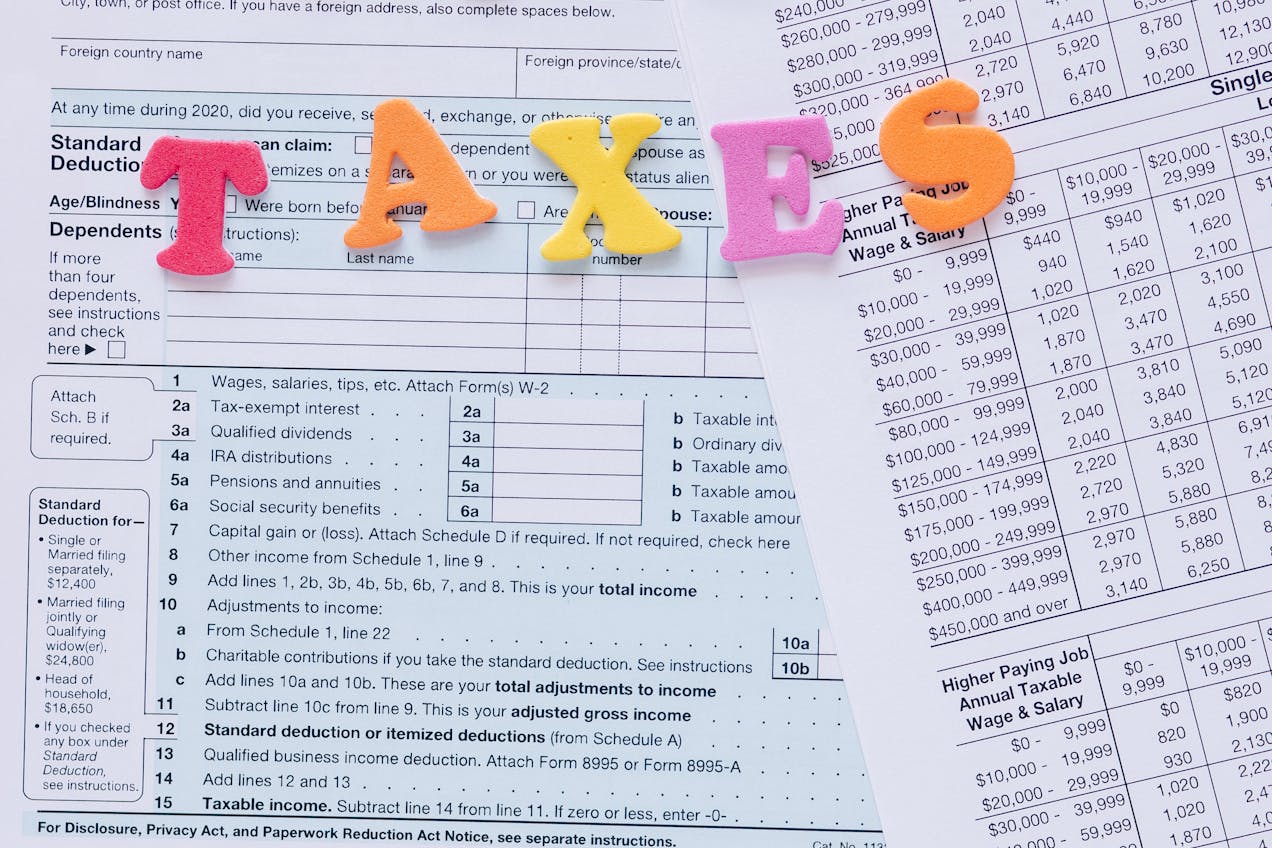
Introduction Capital gains tax applies when you sell assets like stocks, real estate, or other investments for a profit. However, the IRS allows several legal ways to reduce or...

Introduction Capital gains occur when you sell assets like stocks, real estate, or other investments for a profit. If you sell at a loss, you incur a capital loss,...

Introduction If you own rental property, you must report rental income and deduct allowable expenses to determine taxable rental profit. Proper reporting can help reduce tax liability while ensuring...