


Introduction Sourcing the right products is the cornerstone of success for Shopify merchants using Stripe and PayPal. But beyond demand and margins, understanding the tax implications of product costs...
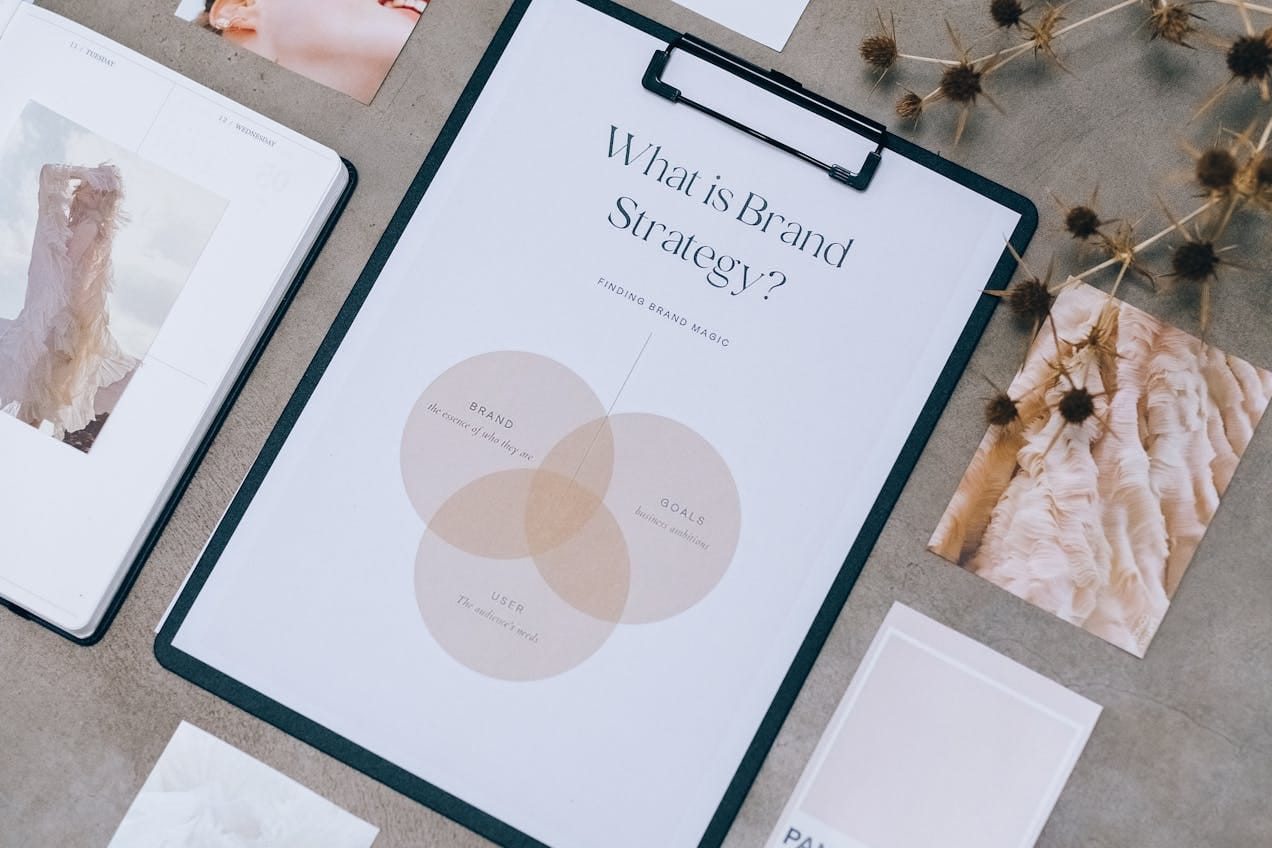
Get Brand Registered on eBay Becoming a Brand Registered seller on eBay unlocks powerful protections—like the Verified Rights Owner (VeRO) program and branded storefronts—that help you combat counterfeits and...

Introduction Launching your first eBay store can feel daunting – but with the right tax and compliance roadmap, you’ll be set up for success. This guide walks new eBay...

High-Volume eBay Sellers If you’re a high-volume seller on eBay, tapping into Amazon’s technology—like Multi-Channel Fulfillment (MCF), the Marketplace Web Service (MWS) API, and Seller Central analytics—can supercharge your...

Introduction Private label sellers on Shopify face unique challenges: managing branded inventory, optimizing storage costs, and staying IRS-compliant. In 2025, mastering your inventory flow is the secret sauce to...

Introduction Handling returns can be a headache for wholesale sellers on eBay, but with the right process and tax treatment, you can turn returns into a manageable (even profitable)...

Introduction Print-on-demand (POD) businesses on eBay let you sell custom merchandise without inventory risk—but scaling profitably requires savvy tax planning, cost control, and compliance. This guide unlocks advanced strategies...

Introduction Building an eco-friendly brand on Shopify isn’t just good for the planet – it can offer significant tax planning opportunities. From classifying sustainable materials as inventory to leveraging...
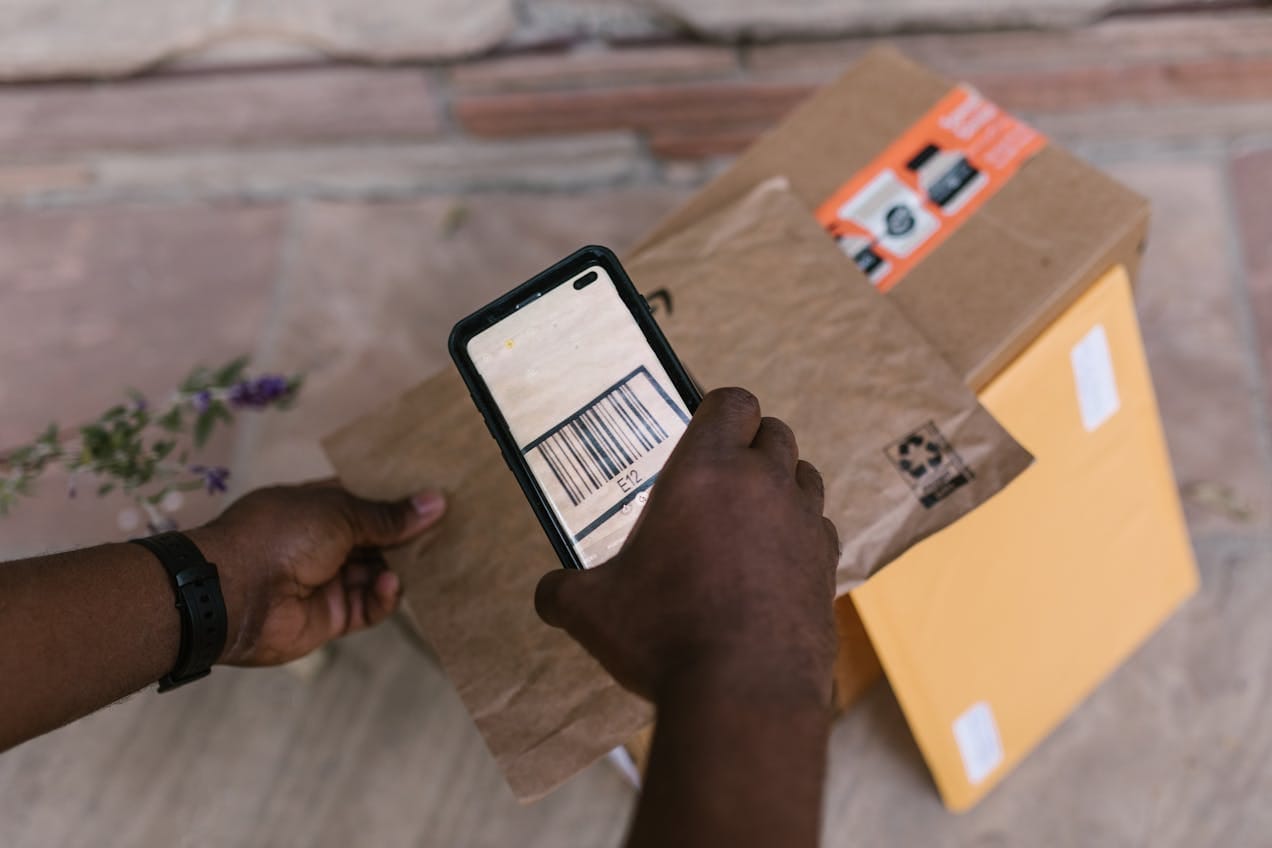
Sell Digital Goods on eBay Selling digital products—ebooks, software, graphic assets—on eBay can be highly profitable with minimal overhead. But digital goods face a patchwork of tax rules: federal...
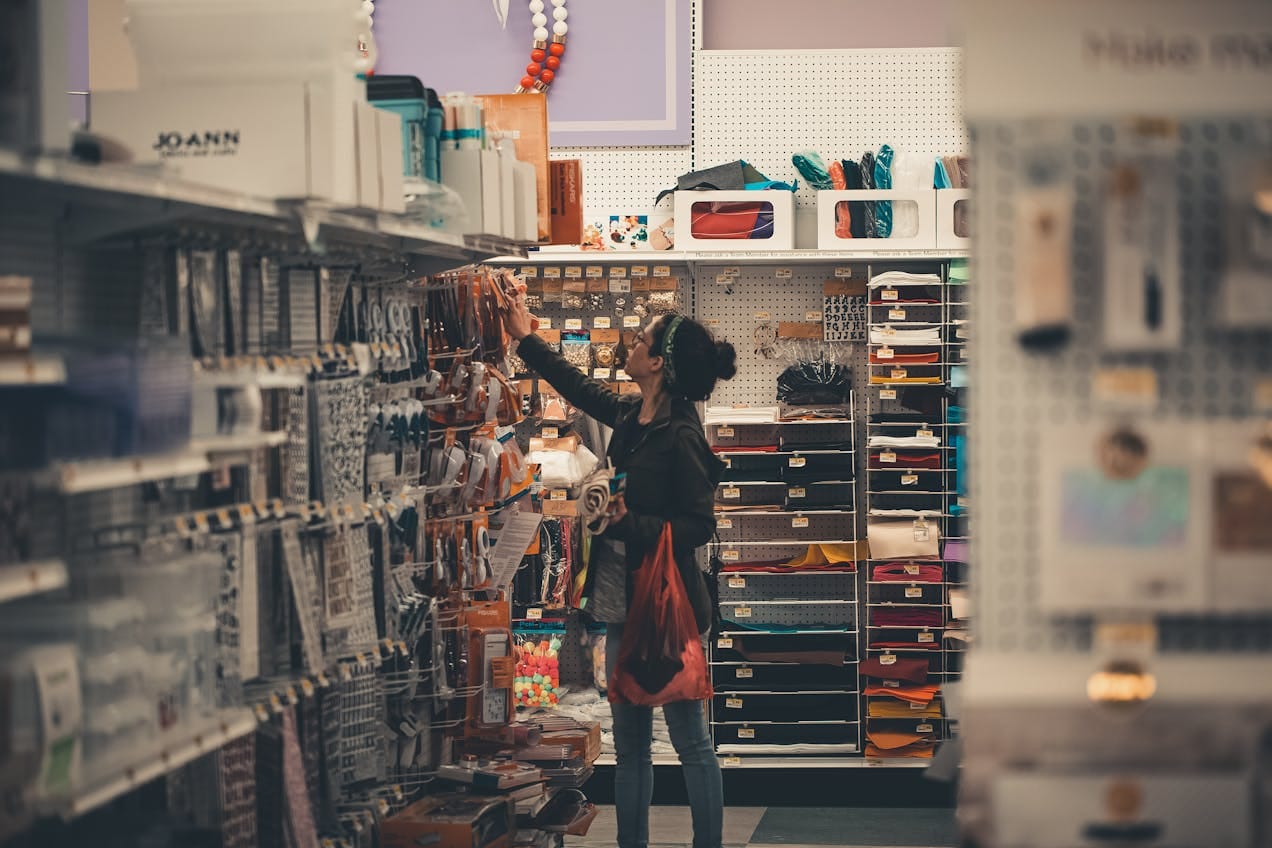
Introduction Whether you’re hawking holiday ornaments or summer swimwear, seasonal selling on eBay can be hugely profitable – but only if you master your tax obligations. This guide walks...