


F1 Students on CPT/OPT: Common Myths About Reporting NPS to the IRS
For international students on F-1 visas, especially those transitioning through Curricular Practical Training (CPT) and Optional Practical Training (OPT), the intersection of U.S. tax law and Indian financial assets like the National Pension System (NPS) is often misunderstood. Below, we debunk common myths to help you maintain compliance during your time in the U.S.
Myth 1: “I’m an international student, so I have no U.S. tax obligations.”
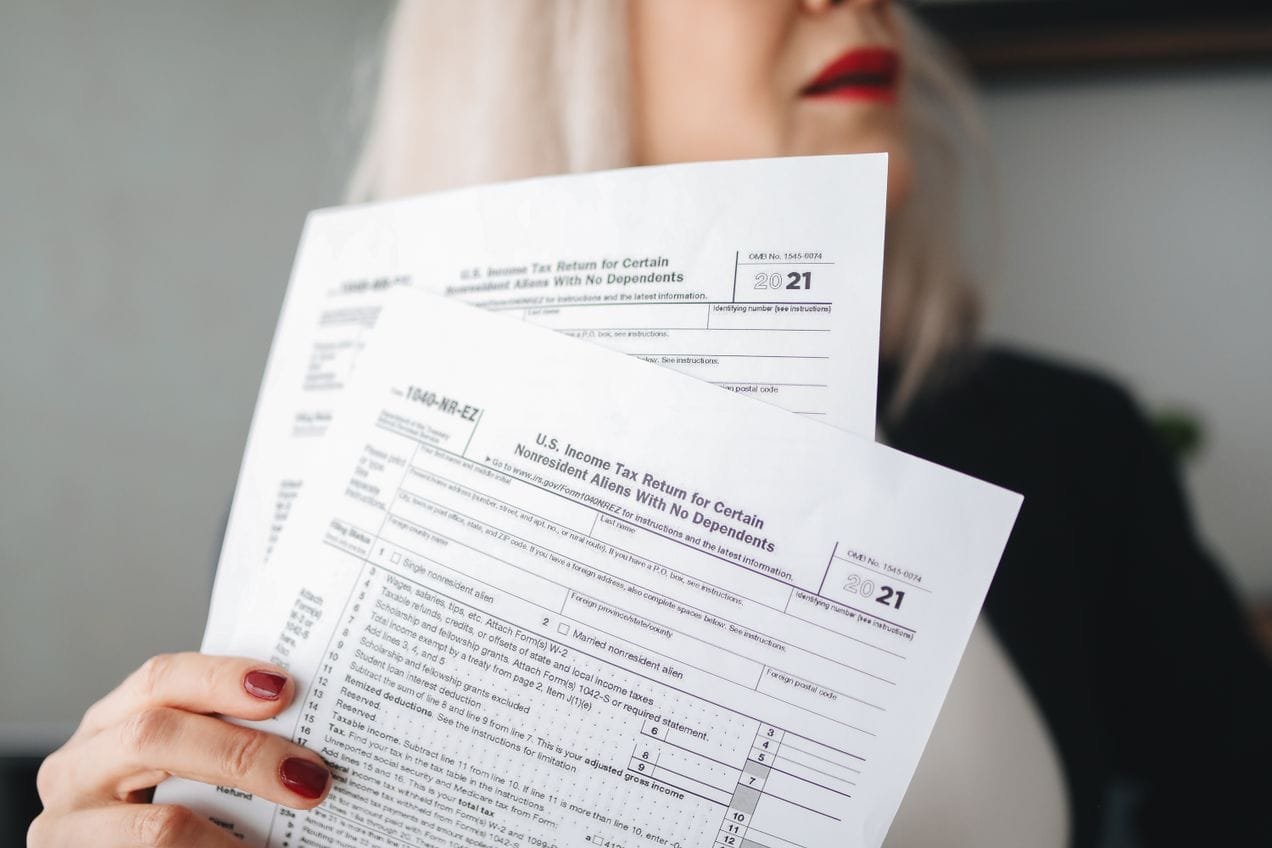
The Reality: This is false. Every F-1 student is required to file at least Form 8843, even if you had zero income. If you earned U.S.-sourced income through CPT or OPT, you are generally required to file a federal tax return (typically Form 1040-NR) to report that income. Failing to file can negatively impact future visa or green card applications.
Myth 2: “My Indian NPS is tax-exempt in India, so it’s tax-exempt in the U.S.”
The Reality: The IRS does not automatically recognize the tax-deferred status of Indian retirement accounts like the NPS. While the NPS is designed to grow with little to no tax in India, the U.S. tax system often views these as foreign financial accounts. If you become a U.S. tax resident (e.g., after your 5-year exempt period ends), the annual growth within your NPS may be considered taxable income by the IRS, regardless of its status in India.
Myth 3: “Because I’m on an F-1 visa, I don’t need to report foreign assets.”
The Reality: While F-1 students are generally “exempt individuals” for the Substantial Presence Test (SPT) for the first five calendar years, this status mainly impacts whether you are taxed as a nonresident or a resident. However, FBAR (Foreign Bank and Financial Account) reporting requirements, which involve disclosing foreign accounts if their aggregate balance exceeds $10,000, apply to all “U.S. persons”. If you meet the filing criteria, the visa status itself does not grant an automatic blanket exemption from these reporting duties.
Key Compliance Checklist for F1/OPT Students
- Determine Your Residency: Confirm if you are still within your 5-year “exempt” period for tax purposes.
- File Form 8843: This is mandatory for all F-1 students, even those with no income.
- Report U.S. Income: If you work on CPT or OPT, report your wages on Form 1040-NR.
- Monitor Foreign Balances: If your aggregate foreign accounts (including NPS, Indian bank accounts, etc.) exceed $10,000 at any point, investigate your FBAR filing obligations.
How KKCA Can Help
- Status Clarification: We help you track your “exempt days” to determine exactly when your tax residency status might shift from nonresident to resident alien.
- FBAR/FATCA Analysis: We calculate your aggregate foreign balances to see if you meet the threshold for reporting your NPS or other Indian assets.
- Form 3520 Evaluation: Because the IRS has no direct ruling on NPS, we help you evaluate whether your account requires specialized reporting as a foreign trust.
- Compliance Synchronization: We ensure your filings are consistent during your transition from F-1 student to OPT/STEM worker.
Conclusion
Don’t rely on “tax myths” when managing your financial life in the U.S. As your residency status evolves from student to professional, your reporting obligations will grow. Proactive, professional guidance ensures you remain compliant and protects your future immigration goals.
Call to Action
Looking for personalized tax services about your specific tax situation? Please contact us. We are here to help you with your specific tax matters.
Disclaimer
This guide is for informational purposes only and does not constitute legal or tax advice. IRS audit priorities and OBBBA regulations are subject to frequent change. Please consult a qualified tax professional for your specific situation.
FAQ
Q1: Does the 5-year student exemption mean I don’t have to report my NPS?
A1: Your status as a nonresident alien simplifies your U.S. tax filing (you report U.S.-sourced income only), but the FBAR reporting requirement for foreign accounts exceeding $10,000 applies to anyone qualifying as a U.S. person, so you must carefully evaluate your total foreign balances.
Q2: Will I be penalized for not reporting my NPS while I was a student?
A2: If you were required to file an FBAR or other foreign asset disclosure and did not, you should consult with a tax professional to evaluate your status and explore corrective procedures.
Q3: Does CPT or OPT status change my tax residency?
A3: No, CPT and OPT are employment authorizations. Your tax residency is determined by your total days of presence in the U.S. under your visa status.