


New U.S. Citizen With Prior Nonresident Mistakes: Amended Return Topics
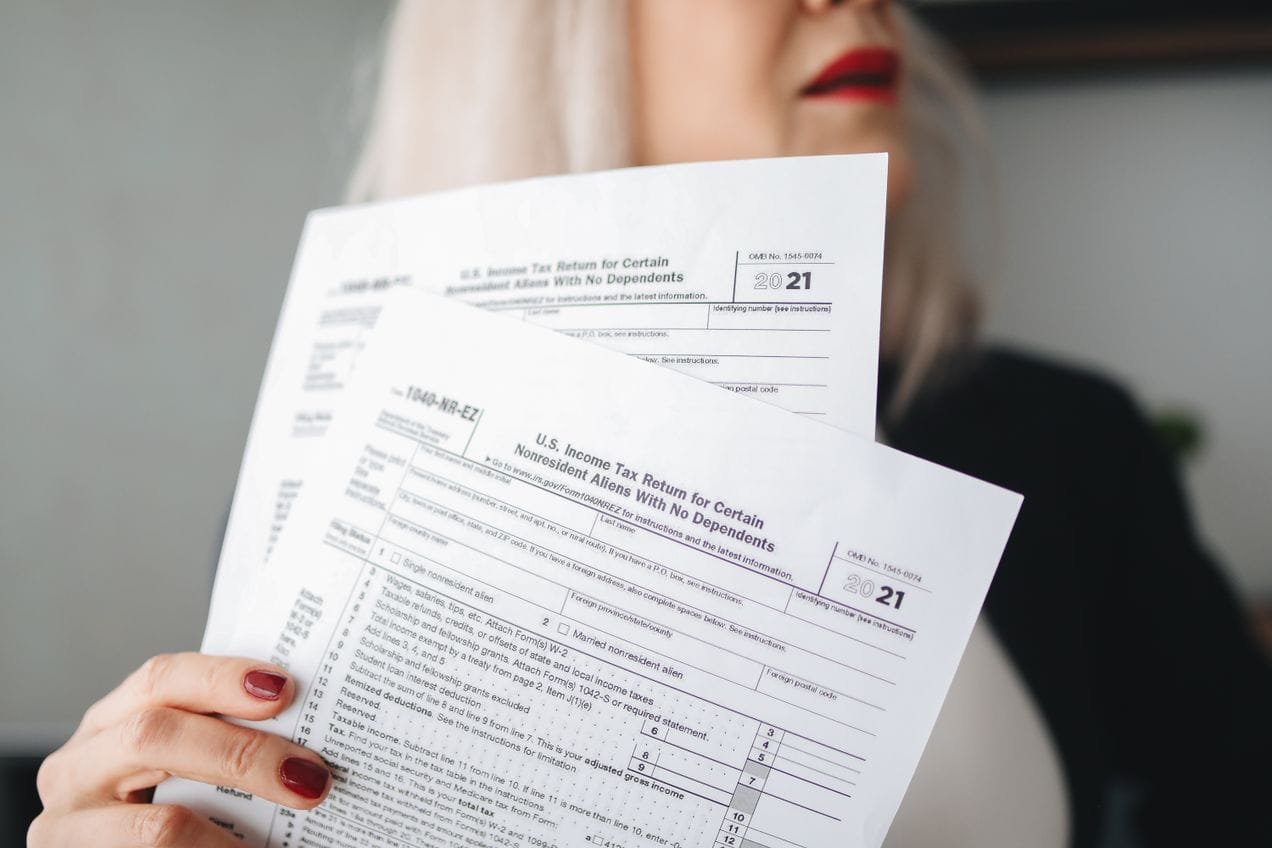
Transitioning from a foreign visa status to U.S. citizenship often reveals mistakes made on tax returns filed during earlier resident or nonresident years. It is common for nonresidents to mistakenly file standard Form 1040 instead of Form 1040-NR, or fail to report foreign income during dual-status years. Correcting these historical errors is a vital step in establishing a clean tax record as a new citizen.
Common Historical Filing Errors
Nonresident aliens frequently fall victim to software limitations that incorrectly generate resident Form 1040 returns. This leads to invalid standard deduction claims, improper tax bracket calculations, and omitted foreign asset disclosures. Once naturalized, these past irregularities remain on your permanent tax record, leaving you vulnerable to future audit adjustments.
Dual-Status Year Complications
The tax year in which you transitioned from a nonresident alien to a lawful permanent resident or citizen is known as a dual-status year. Calculating income and filing obligations across split tax periods requires specialized allocation mechanics. Mistakes during this transitional year often propagate into subsequent filing periods, creating systemic compliance errors.
Corrective Action Matrix
| Past Error Type | Impact on Prior Return | Recommended Amending Form |
| Wrong Return Form (1040 vs 1040-NR) | Invalid deductions and tax rates applied | Form 1040-X with correct original return |
| Omitted Foreign Income | Underreported tax liability and interest | Form 1040-X plus Schedule B / foreign credit |
| Missing Informational Forms | Severe late-filing information penalties | Delinquent informational submissions |
Statute of Limitations Nuances
While the general statute of limitations for IRS assessment is three years from the filing date, omitting substantial income or foreign informational returns alters this timeline. Missing forms like FATCA Form 8938 or Form 5471 keep the audit window open indefinitely for that tax year. Amending past returns starts the statutory countdown and resolves open-ended audit exposure.
How KKCA Can Help
- Historical Return Auditing: We review past nonresident filings to identify structural errors and underreported items.
- Form 1040-X Preparation: Our team prepares corrected amended returns reconciling dual-status rules.
- Informational Form Remediation: We attach missing foreign asset disclosures to close open tax years.
- IRS Penalty Abatement: We request penalty waivers based on reasonable cause arguments for past errors.
Conclusion
Fixing past filing mistakes made during your visa or residency transition protects your newly acquired citizen tax standing. Professional review provides clarity and restores full compliance with federal tax laws.
Call to Action
Looking for personalized tax services about your specific tax situation? Please contact us. We are here to help you with your specific tax matters.
Disclaimer
This guide is for informational purposes only and does not constitute legal or tax advice. IRS audit priorities and tax regulations are subject to frequent change. Please consult a qualified tax professional for your specific situation.
FAQ
Q1: What happens if I filed Form 1040 when I was legally required to file Form 1040-NR?
A1: You should file an amended return using Form 1040-X attached to the correct Form 1040-NR to recalculate your correct tax liability and allowable deductions.
Q2: How many years back can I amend a prior U.S. tax return?
A2: Generally, you can claim a tax refund within three years from the date you filed the original return, but the IRS can assess underpaid taxes further back if substantial omissions occurred.
Q3: Does fixing past tax return errors impact my naturalization status?
A3: Correcting past tax returns demonstrates good moral character and compliance with federal laws, resolving potential red flags with immigration authorities.