



Streamlined Filing Services for Indian Expats in Rhode Island Discovering that you missed years of foreign bank account or mutual fund disclosures can cause immense worry. Indian expats in...

Streamlined Tax Filing Services for Indian Expats in South Carolina Realizing you have unreported Indian bank accounts or mutual funds can be unsettling. Indian expats in South Carolina can...

Streamlined Filing Services for Indian Expats in Arkansas Many Indian expats living in Arkansas discover years after moving that their financial assets back home should have been reported to...
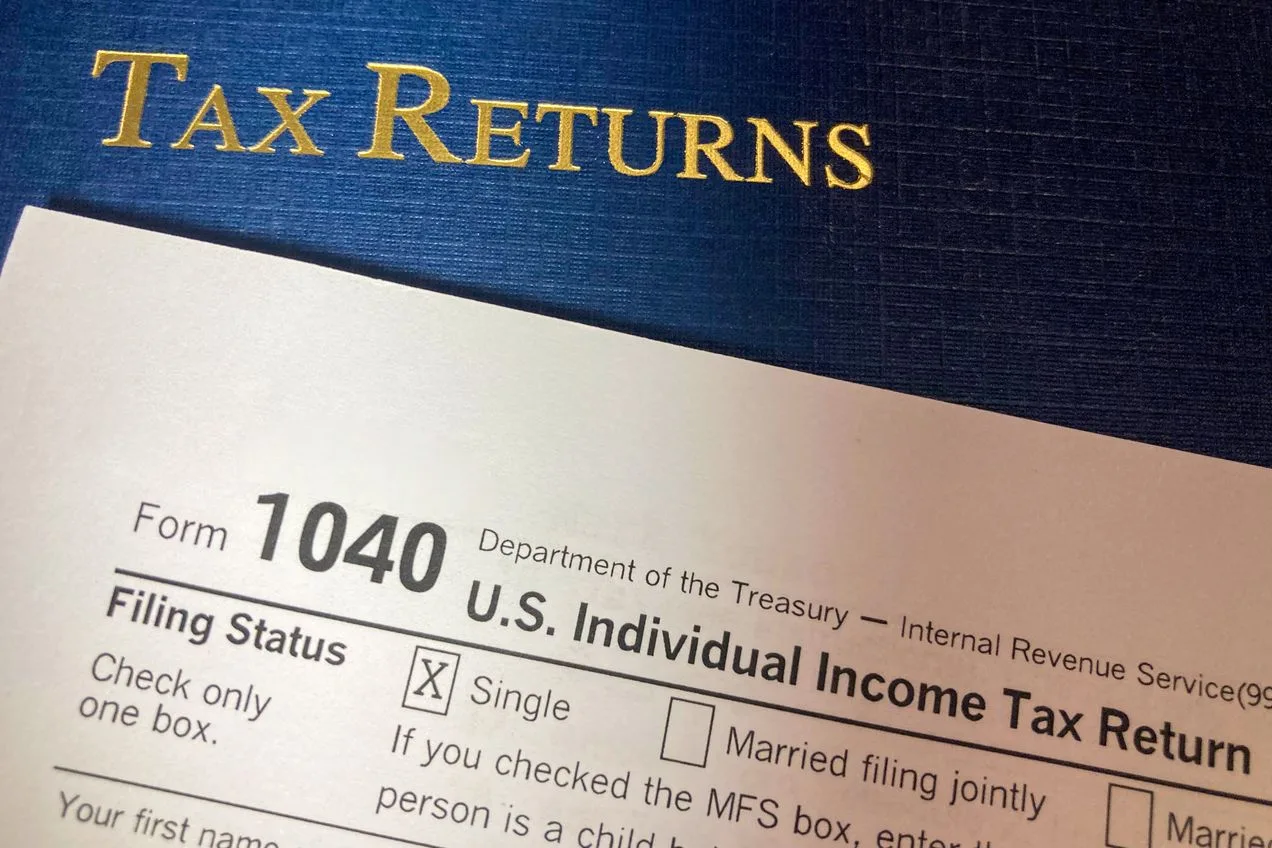
New U.S. Citizen With Foreign Taxes Paid Late: FTC Timing Review Claiming a Foreign Tax Credit (FTC) is the primary method U.S. citizens use to avoid double taxation on...
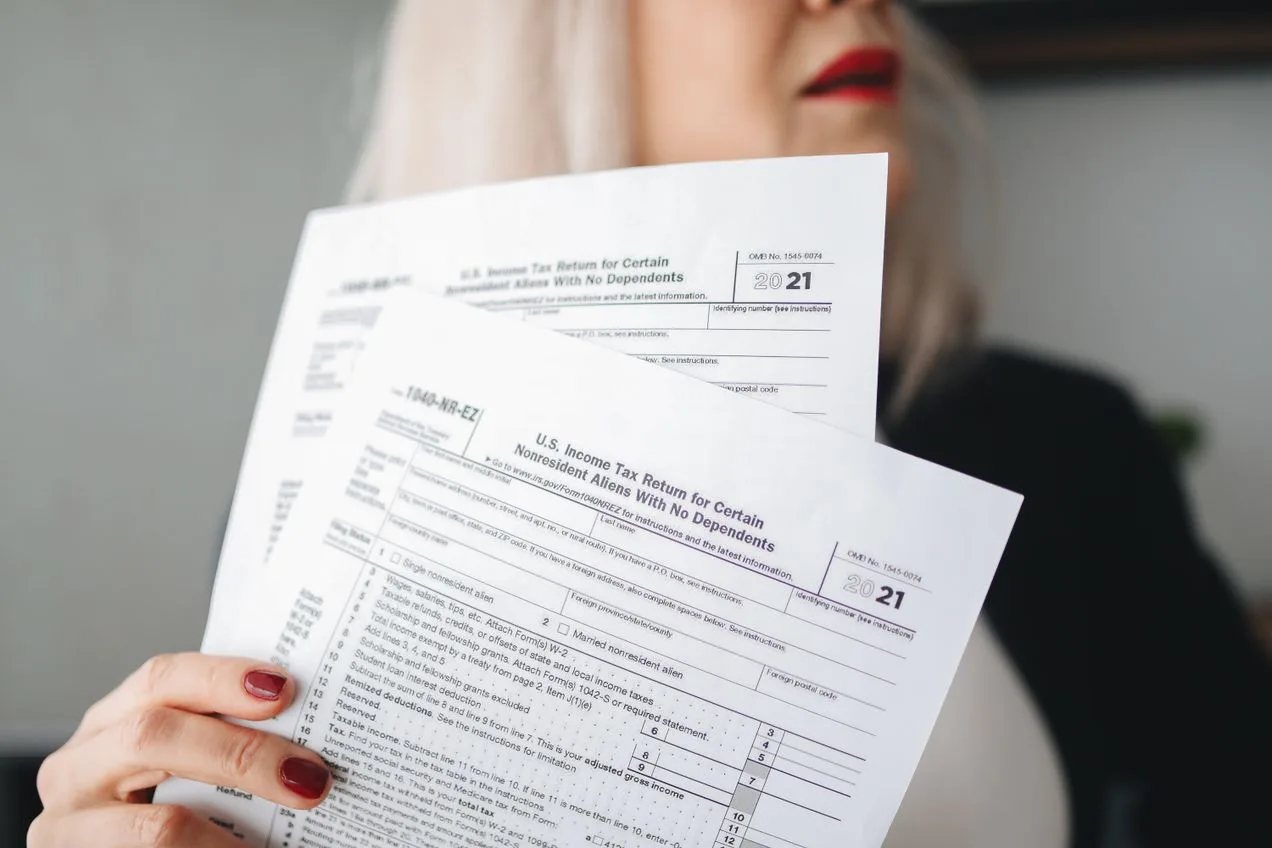
New U.S. Citizen With Prior Nonresident Mistakes: Amended Return Topics Transitioning from a foreign visa status to U.S. citizenship often reveals mistakes made on tax returns filed during earlier...

New U.S. Citizen With Undisclosed Foreign Accounts: Compliance Review Discovering that you hold foreign bank accounts or assets that were omitted from prior tax filings is a daunting realization...

New U.S. Citizen With Foreign Account Checkbox: Filing Risk The foreign account questions located in Schedule B, Part III are among the most heavily scrutinized checkboxes on the entire...

New U.S. Citizen Filed Without Foreign Income: Compliance Risk Many new citizens file their first U.S. tax returns treating only domestic wages, mistakenly omitting global investments or overseas income....

O-1 Researcher With Foreign Grants: Tax Reporting Review Tax reporting guidelines for researchers, academics, and scientists managing overseas grant funding. Researchers and scientists on O-1 visas frequently receive grants,...

O-1 Visa Tax Residency: What High-Earning Professionals Should Know Essential tax residency rules for extraordinary individuals navigating high U.S. and foreign earnings. High earners on O-1 visas face specialized...