


New U.S. Citizen Selling Foreign Property: U.S. Tax Review
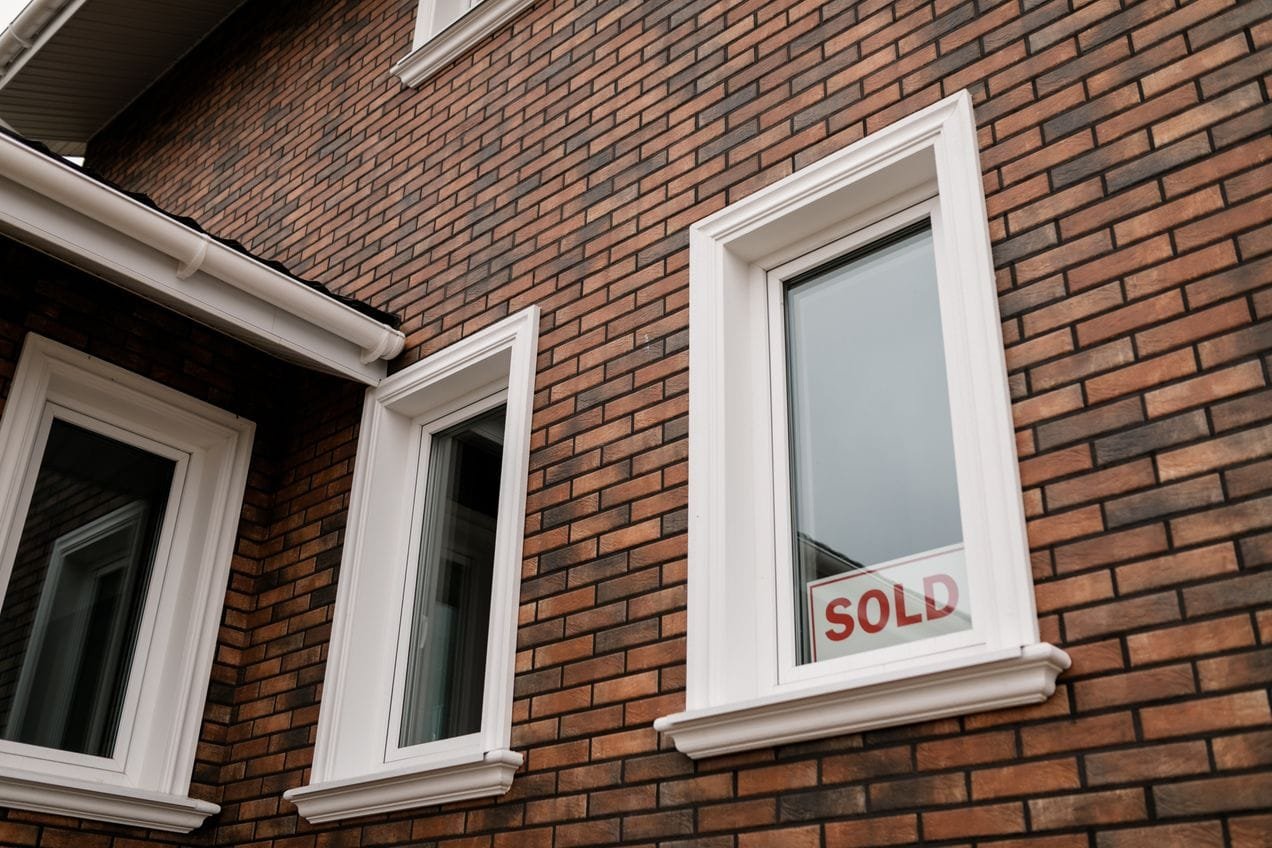
Selling real estate located outside the U.S. is a major financial event that carries significant tax consequences once you acquire U.S. citizenship. Whether selling a inherited family home, land, or a personal residence, understanding how the IRS taxes foreign real estate sales is vital before closing the transaction.
The Section 121 Primary Residence Exclusion
If the foreign property served as your primary residence, you may qualify for the Section 121 exclusion, allowing up to $250,000 ($500,000 for married joint filers) of capital gains to be excluded from U.S. tax. However, meeting the 2-out-of-5-year ownership and use tests requires strict documentation.
Currency Fluctuations on Foreign Mortgages
A hidden trap when selling foreign property involves foreign currency mortgages. Paying off an overseas mortgage upon sale can trigger a separate taxable currency gain if the exchange rate shifted significantly between the loan origination date and the payoff date.
Local Withholding Taxes and Capital Gains
Foreign jurisdictions frequently levy local capital gains taxes or holding taxes on real estate sales. Coordinating local tax payments with your U.S. tax filing through Foreign Tax Credits is essential to avoid paying tax twice on the same property sale.
| Property Sale Aspect | IRS Tax Consideration | Key Compliance Action |
| Primary Residence Exclusion | Up to $250k/$500k gain exclusion | Verify 2-of-5 year residency requirements. |
| Mortgage Payoff Gain/Loss | Taxable personal currency gain | Calculate loan exchange rates at origination vs payoff. |
| Foreign Capital Gains Tax | Claimable as Foreign Tax Credit | Secure official foreign tax payment receipts. |
How KKCA Can Help
- Foreign Property Sale Accounting: Calculating USD purchase basis, sale proceeds, and net taxable gains.
- Section 121 Eligibility Audits: Reviewing residency records to qualify for primary residence exclusions.
- Foreign Mortgage Gain Analysis: Evaluating currency exchange impacts on loan payoffs.
- Cross-Border Closing Advice: Structuring real estate sales to optimize international tax liabilities.
Conclusion
Selling foreign real estate involves intricate cross-border calculations spanning primary residence rules, mortgage currency gains, and local tax credits. Expert guidance ensures a smooth, tax-compliant property transaction.
Call to Action
Looking for personalized tax services about your specific tax situation? Please contact us. We are here to help you with your specific tax matters.
Disclaimer
This guide is for informational purposes only and does not constitute legal or tax advice. IRS audit priorities and OBBBA regulations are subject to frequent change. Please consult a qualified tax professional for your specific situation.
FAQ
Q1: Can I use a 1031 like-kind exchange to defer tax on foreign real estate?
A1: U.S. real estate and foreign real estate are not considered “like-kind,” meaning foreign property cannot be exchanged for U.S. property tax-free under Section 1031.
Q2: How is an inherited foreign property’s cost basis calculated?
A2: Inherited foreign property generally receives a “step-up” in cost basis to the fair market value on the date of the decedent’s death.
Q3: What if local foreign tax on the sale is higher than the U.S. tax obligation?
A3: Excess foreign tax credits generated from the sale can often be carried back one year or carried forward for up to ten years.