


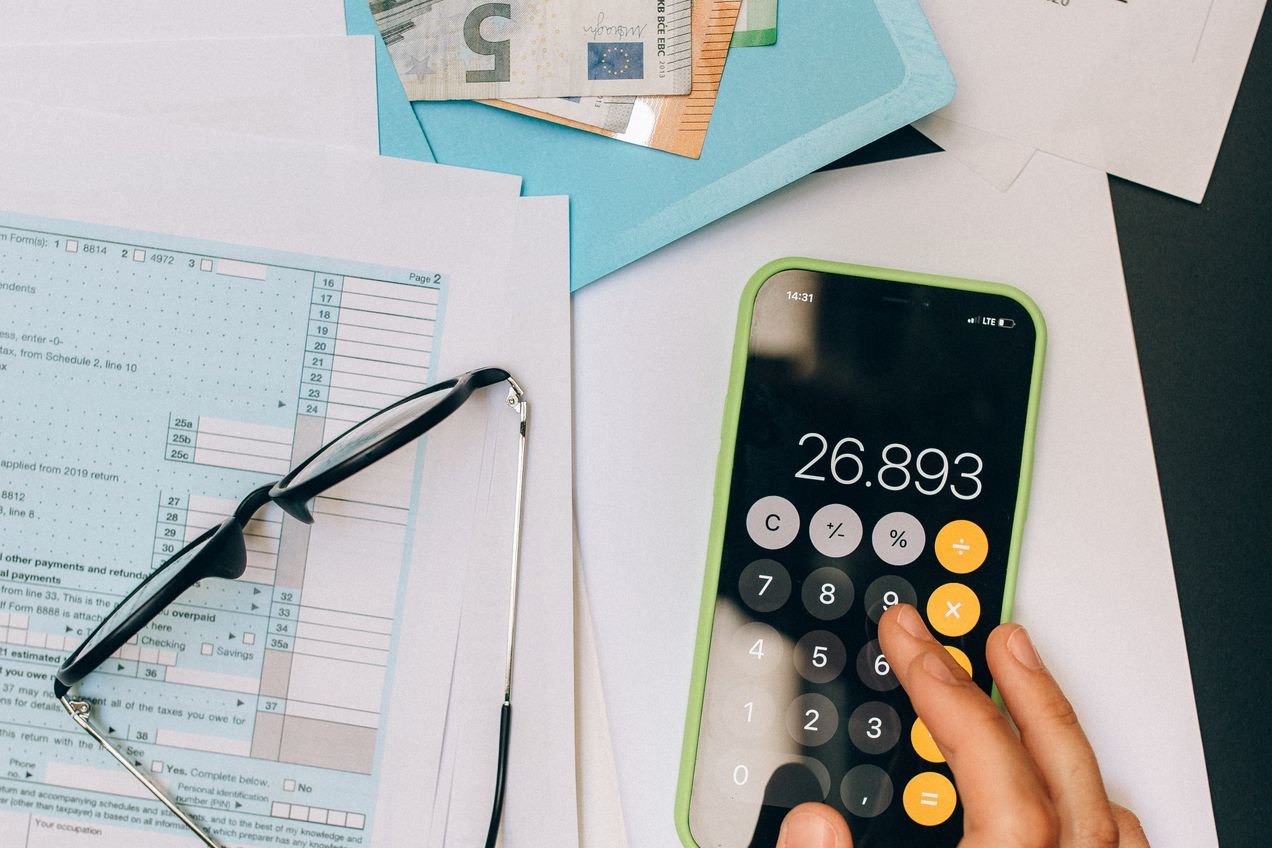
Foreign Tax Credit Form 1116 Services for Indians in Wisconsin
Wisconsin residents earning income in India frequently face tax liabilities in both jurisdictions. To prevent double taxation, the U.S. tax code permits claiming a Foreign Tax Credit via Form 1116. However, navigating the limitations and specific income categorization rules requires deep knowledge of both Indian withholding and IRS regulations.
Why Foreign Tax Credit Calculations Are Unusually Complex
You cannot simply subtract your total Indian tax bill from your U.S. tax liability. The IRS limits your credit based on the ratio of foreign source income to your global income within specific categories. If Indian tax rates on certain income exceed U.S. rates, complex credit carryover rules apply.
Navigating Currency and Fiscal Year Differences
India’s tax year runs from April 1 to March 31, while the U.S. uses a standard calendar year. Reconciling taxes paid in India during a specific U.S. calendar year involves tracking official foreign exchange conversion rates on key transaction dates. Errors in currency translation can result in disallowed tax credits.
Key Income Categories on Form 1116
| Income Category | Common Indian Examples | Special Rules / Limitations |
| Passive Category Income | Fixed Deposit Interest, Dividends | Subject to strict foreign tax credit limit calculations |
| General Category Income | Salary earned in India, Business profits | Cannot be mixed with passive income credits |
| Capital Gains | Sale of Indian stocks or real estate | Specialized rate adjustments required for preferential rates |
How KKCA Can Help
- FTC Eligibility Reviews: We analyze your Indian tax payments to ensure they qualify as creditable income taxes under IRS guidelines.
- Basket Separation & Allocation: We segregate passive and general income streams to maximize allowable credit limits.
- Fiscal-to-Calendar Reconciliations: We convert Indian financial year data into precise U.S. calendar year figures.
- Unused Credit Carryovers: We track carryforward and carryback tax credits to ensure no tax relief is wasted.
Conclusion
Form 1116 is essential for preventing double taxation on your Indian earnings. Expert foreign tax credit preparation ensures you maximize allowable credits while keeping your filings fully compliant.
Call to Action
Looking for personalized tax services about your specific tax situation? Please contact us. We are here to help you with your specific tax matters.
Disclaimer
This guide is for informational purposes only and does not constitute legal or tax advice. IRS audit priorities and OBBBA regulations are subject to frequent change. Please consult a qualified tax professional for your specific situation.
FAQ
Q1: Can I claim a foreign tax credit for Indian Tax Deducted at Source (TDS)?
A1: Yes, TDS withheld in India on income like interest or dividends can generally be claimed on Form 1116, provided you have official Indian tax documentation.
Q2: What happens if my foreign tax credit exceeds my U.S. tax limit for the year?
A2: Unused foreign tax credits can typically be carried back 1 year or carried forward up to 10 years to offset future foreign source income taxes.
Q3: Is it better to take the Foreign Tax Credit or the Foreign Earned Income Exclusion?
A3: The choice depends on your income levels, residence status, and foreign tax rates. A detailed comparison is necessary to determine which option yields lower overall tax.