


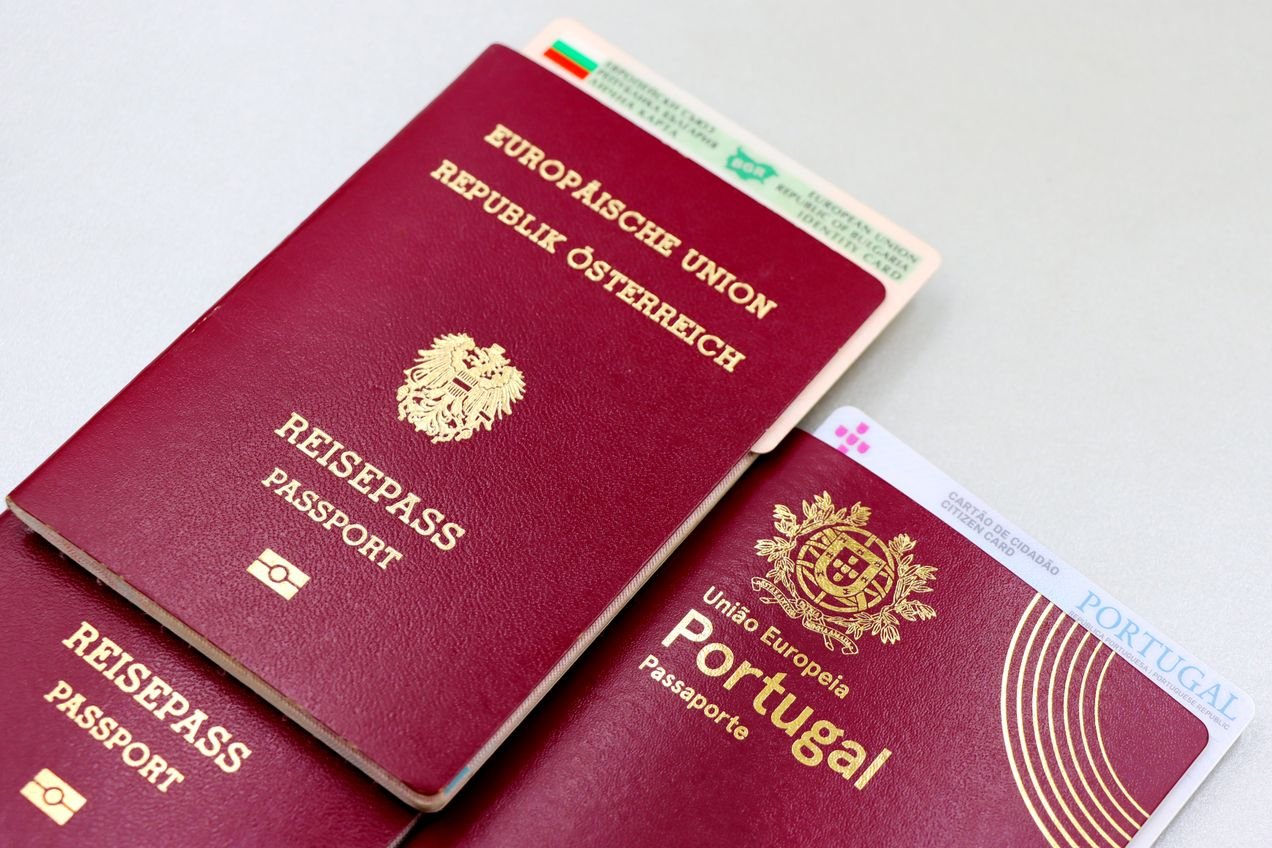
Dual Citizens (US-India Origin) and GIFT City Bank Accounts: A Lifetime Reporting Obligation
Navigating financial ties between two countries creates unique opportunities, particularly with modern offshore centers like GIFT City. However, individuals holding US citizenship while maintaining deep personal and financial roots in India face a lifetime of overlapping tax rules. Misinterpreting how dual status interacts with offshore banking features can lead to severe regulatory consequences.
The Permanent Intersection of Two Financial Worlds
Holding US citizenship guarantees that your financial assets everywhere on Earth are visible to the IRS. When dual citizens open GIFT City bank accounts—often drawn by foreign currency accounts, non-resident investment vehicles, or family asset management—they frequently overlook the lifetime nature of their US tax duties.
Indian financial institutions may treat you as an Overseas Citizen of India (OCI) or a returning resident, offering streamlined account setups. Yet, no matter how local or specialized the financial product appears in India, US tax laws continue to apply without exception.
Pitfalls Unique to Dual Citizens in GIFT City
Dual citizens frequently fall into compliance gaps due to subtle differences in how financial instruments are categorized.
- Joint Family Accounts: Managing GIFT City accounts shared with non-US family members creates complex ownership attribution rules.
- Investment Fund Blind Spots: Placing funds into GIFT City specialized investment vehicles can trigger severe passive foreign investment tax rules.
- Lifetime Obligation Oversight: Naturalized US citizens often assume returning to India scales back their US tax duties, which is legally incorrect.
Dual Citizen Compliance Checkpoint:
- Verify US passport/citizenship status is updated with foreign banks
- Map all GIFT City joint holdings and signature authorities
- Identify whether GIFT accounts hold cash vs. foreign investment structures
- Align annual US disclosures with Indian foreign exchange declarations
How KKCA Can Help
- Global Asset Mapping: Inventorying dual-jurisdiction accounts for complete regulatory coverage.
- Joint Account Structuring: Protecting non-US family members while ensuring full US tax compliance.
- PFIC & Entity Analysis: Reviewing GIFT City investment structures to avoid punitive taxation.
- Historical Remediation: Resolving multi-year non-filing issues with minimal penalty exposure.
Conclusion
Dual citizens of US-India origin carry a permanent obligation to disclose GIFT City banking activities to the IRS. Proactive structuring ensures you leverage cross-border opportunities without endangering your financial security.
Call to Action
Looking for personalized tax services about your specific tax situation? Please contact us. We are here to help you with your specific tax matters.
Disclaimer
This guide is for informational purposes only and does not constitute legal or tax advice. IRS audit priorities and OBBBA regulations are subject to frequent change. Please consult a qualified tax professional for your specific situation.
FAQ
Q1: Does having an OCI card exempt my GIFT City accounts from US tax reporting?
A1: No, an OCI card is a immigration status in India and has no bearing on your US citizenship tax duties.
Q2: What happens if I am a joint holder on a GIFT City account with my Indian resident parents?
A2: You may still be required to report the entire account balance if you have financial interest or signature authority.
Q3: Are foreign currency savings accounts in GIFT City subject to US passive income rules?
A3: Deposit accounts are generally subject to standard interest reporting, but structured investment funds within GIFT City can trigger complex investment tax rules.