



H1B First-Year Filers: Do You Owe Reporting on EPF You Held Before Moving to the US? Many H1B professionals assume that because their Employees’ Provident Fund (EPF) was established...

The Substantial Presence Test and EPF: When H1B Filers Must Start Reporting Moving to the US on an H1B visa brings complex tax responsibilities, especially regarding assets you left...

H1B Holders and EPF (Employees’ Provident Fund): What Counts as ‘Foreign’ the Moment You’re a US Tax Resident For H1B visa holders, the Employees’ Provident Fund (EPF) is often...
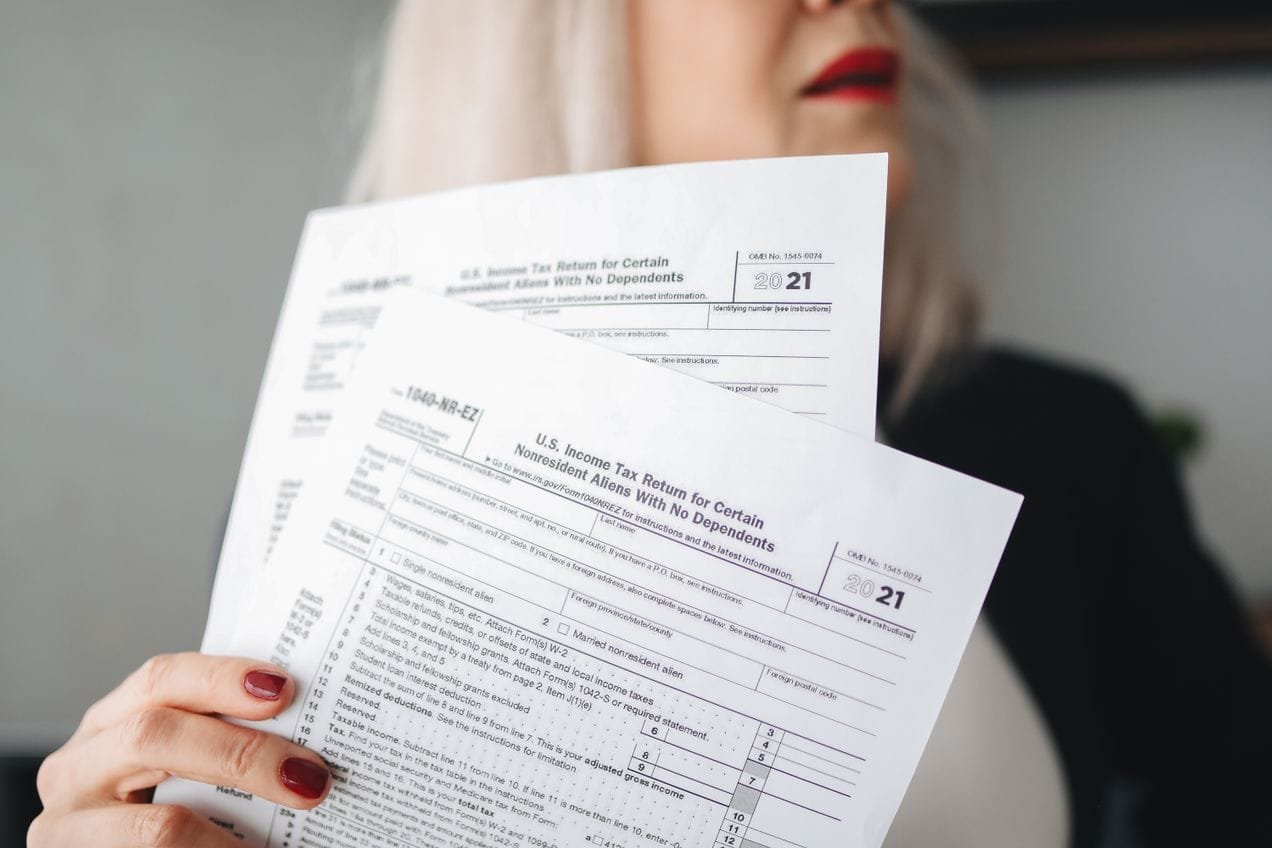
F1 Students on CPT/OPT: Common Myths About Reporting NPS to the IRS For international students on F-1 visas, especially those transitioning through Curricular Practical Training (CPT) and Optional Practical...

OPT/STEM Extension Workers with NPS (National Pension System): Nonresident vs. Resident Alien Reporting For international students transitioning from F-1 status to Optional Practical Training (OPT) and the STEM extension,...

F1 to H1B Transition and NPS (National Pension System): When Reporting Obligations Actually Begin Transitioning from an F-1 visa to an H-1B visa is a major career milestone, but...

US Citizens Who Inherited NPS (National Pension System) in India: Reporting Triggers You Didn’t Expect Inheriting an Indian National Pension System (NPS) account can be a complex surprise for...

US Citizens by Birth to Indian Parents: Do You Owe Back Reporting on NPS (National Pension System)? If you are a U.S. citizen by birth, you have been subject...

Double Taxation of Foreign Deposit Income Earning interest on overseas bank deposits frequently exposes investors to dual tax claims: foreign withholding taxes assessed by the local bank at the...

Foreign Source Income Explained For U.S. citizens, green card holders, and resident aliens, tax obligations extend to worldwide income regardless of where that income is earned or deposited. However,...