


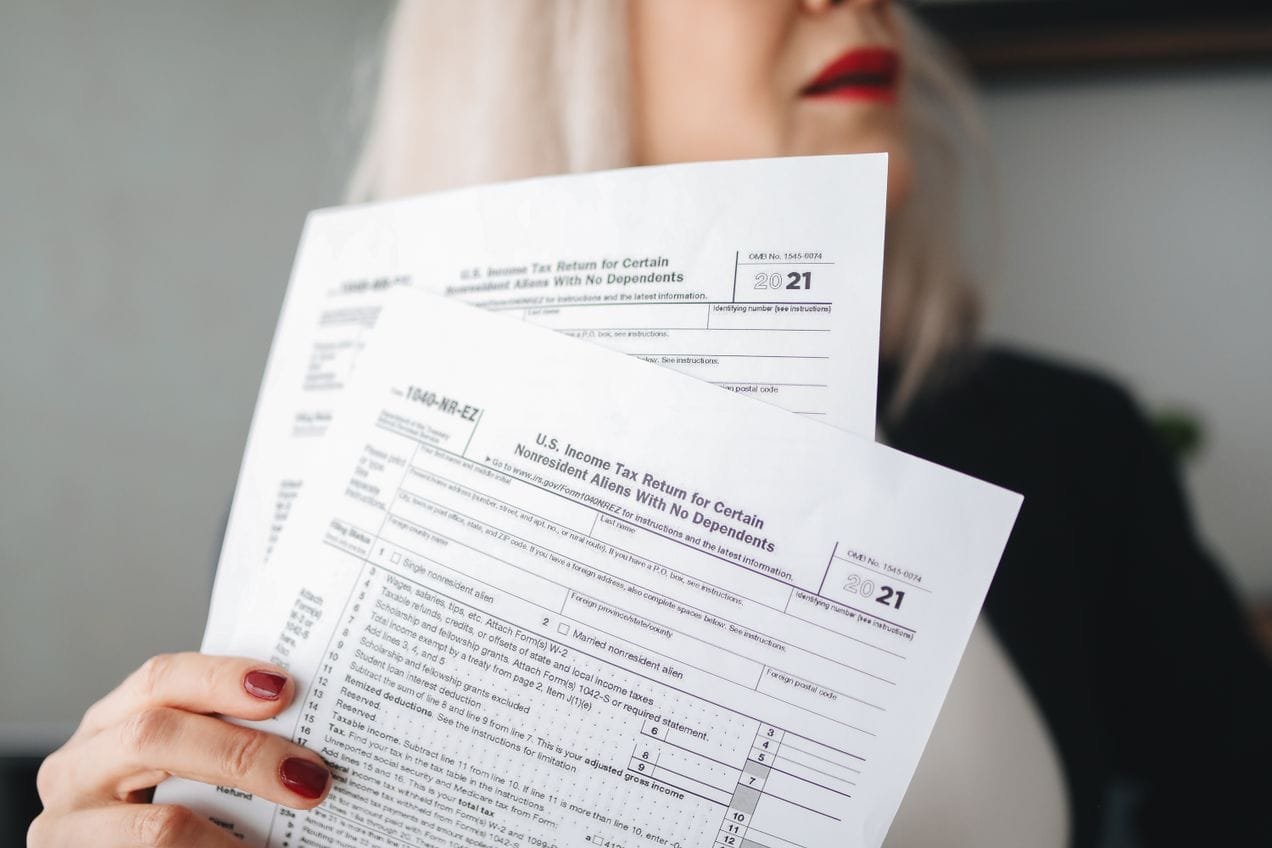
F-1 Student Claiming Treaty on State Return: Review Needed
International students on F-1 visas often assume that federal income tax treaty exemptions automatically reduce state tax obligations. In reality, state tax authorities operate under independent tax codes. Many key states explicitly refuse to recognize federal bilateral tax treaties, creating a significant gap between your federal and state tax liabilities.
Federal vs. State Tax Code Conformity
The United States Department of the Treasury negotiates bilateral tax treaties to prevent double taxation at the federal level. However, under the U.S. Constitution, individual states retain sovereign tax authority. While some states conform fully or partially to federal tax treaty provisions, major high-tax states—including California, New Jersey, New York, and Pennsylvania—do not conform to federal treaty exemptions.
Common Mistakes When Filing State Tax Returns
When international students use automated consumer tax software, the system often carries federal treaty-exempt income over to the state return automatically. If you live in a non-conforming state, this results in an underreporting of state taxable income. State tax departments regularly audit international returns and issue retroactive tax assessments with added interest and non-filing penalties.
- California (FTB): Does not honor federal tax treaty exemptions for student wages or standard deduction benefits.
- New York (NYS DTF): Generally starts with Federal Adjusted Gross Income (AGI), requiring manual add-backs for treaty-exempt income.
- Pennsylvania (DOR): Does not recognize federal treaty provisions; taxes gross earned income.
How KKCA Can Help
- State Tax Conformity Audit: Evaluating state-specific tax laws to determine treaty recognition in your jurisdiction.
- Income Re-Sourcing & Add-Backs: Calculating required state tax adjustments for treaty-exempt federal wages.
- Amended State Returns: Preparing corrective state filings to resolve historical under-withholding notices.
- Multi-State Allocation: Allocating earned income correctly if you moved between states during your OPT period.
Conclusion
Relying on federal tax treaty rules when completing state returns can trigger unexpected state audit notices. Verifying state-level tax conformity ensures full compliance across all tax jurisdictions.
Call to Action
Looking for personalized tax services about your specific tax situation? Please contact us. We are here to help you with your specific tax matters.
Disclaimer
This guide is for informational purposes only and does not constitute legal or tax advice. IRS audit priorities and tax regulations are subject to frequent change. Please consult a qualified tax professional for your specific situation.
FAQ
Q1: If my W-2 shows $0 federal taxable wages due to a tax treaty, do I pay state tax?
A1: Yes, if your state does not honor federal tax treaties, you must add the treaty-exempt wages back to your state taxable income.
Q2: Can Indian F-1 students claim the Article 21 treaty standard deduction on state returns?
A2: Generally no; standard deductions on state returns follow specific state tax instructions, which rarely incorporate federal treaty provisions.
Q3: What should I do if my employer did not withhold state tax because of my federal treaty form?
A3: You may need to make estimated state tax payments or settle the balance due when filing your annual state return to prevent underpayment interest.