



H-1B With Consulting Income: U.S. Tax Questions Earning advisory or consulting income alongside your primary W-2 job creates complex cross-border tax issues for H-1B visa holders. Providing professional advice...
H-1B State Tax Residency: California and New York Issues Navigating state tax residency as an H-1B visa holder in high-tax states like California and New York involves aggressive state...

Green Card Holder With U.S. and Foreign Salary: Filing Review Earning salary from both U.S. and foreign employers in the same tax year creates a complex dual-source income tax...

Green Card Holder First-Time U.S. Tax Filing Checklist Filing your first U.S. tax return after obtaining a Green Card requires transitioning to a worldwide tax compliance framework. Preparing for...

F-1 Visa Tax Return: Resident or Nonresident for U.S. Tax Purposes? Determining whether to file your U.S. tax return as a resident or nonresident alien is the most critical...

L-1 With Foreign Capital Gains: U.S. Tax Filing Review Selling property, shares, or land in your home country while working in the U.S. on an L-1 visa triggers complex...

L-1 With Foreign Dividends: Worldwide Income Questions Earning dividend income from foreign stocks or private companies while residing in the U.S. on an L-1 visa introduces intricate tax reporting...

H-1B First-Time U.S. Tax Resident Checklist Becoming a U.S. tax resident for the first time on an H-1B visa marks a major shift in your financial obligations. The moment...
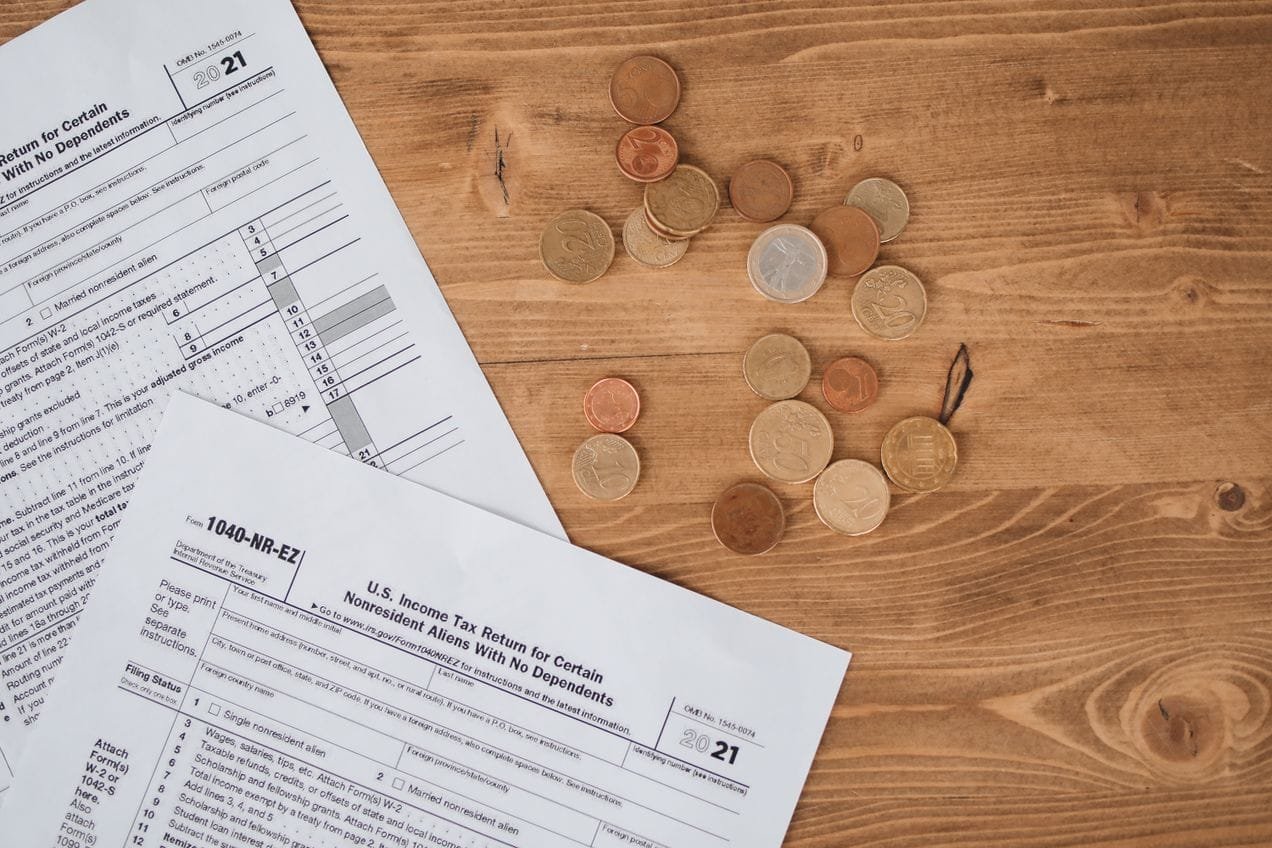
F-1 Student Substantial Presence Test: What First-Time Filers Should Know The Substantial Presence Test is the primary mathematical formula used by the IRS to determine U.S. tax residency. For...

F-1 Student First-Year Choice: Tax Residency Questions International students who transition out of exempt status or arrive under specific circumstances may find themselves in a residency gray zone during...