



Green Card Holder Late FBAR Filing: Penalty Questions Green Card holders who hold foreign bank accounts exceeding $10,000 in aggregate face mandatory annual FBAR (FinCEN Form 114) filings. Missing...
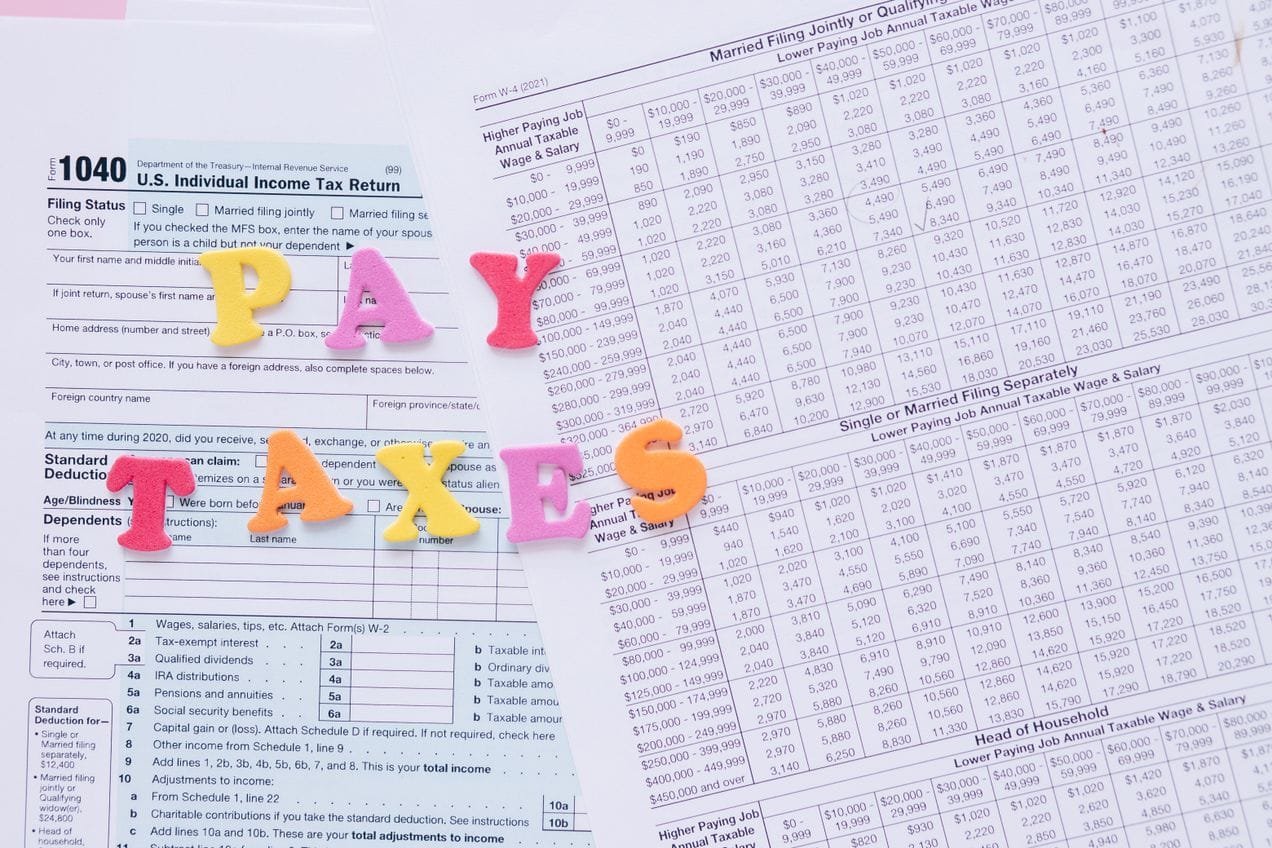
Green Card Holder First 1040 Filing: Worldwide Income Questions Filing your first full-year Form 1040 as a Green Card holder is a legal milestone that shifts your tax obligations...

H-1B With Indian Partnership Interest: U.S. Tax Review Holding a partnership interest in India while living in the United States on an H-1B visa creates a complex web of...

H-1B With AIF Investment in India: Reporting Questions Investing in Indian Alternative Investment Funds allows high-net-worth H-1B professionals to access private equity, real estate, and venture capital. However, these...

H-1B With Indian Mutual Fund Redemption: U.S. Tax Risk Redeeming Indian mutual funds while residing in the United States on an H-1B visa triggers major cross-border tax complications. While...

H-1B With Foreign Brokerage Account: Form 8938 Review H-1B professionals holding foreign brokerage accounts face stringent annual reporting obligations under U.S. tax laws. The Foreign Account Tax Compliance Act...
H-1B With U.S. Brokerage Account: Tax Filing Questions Opening and trading within a U.S. brokerage account is common for H-1B visa holders, yet tax filing rules depend strictly on...
O-1 With Foreign Tax Year Difference: FTC Timing Questions Holding an O-1 visa while maintaining income or assets in a country with a different fiscal tax year creates a...

O-1 Visa First-Time 1040 Filing: What Changed? Filing Form 1040 for the first time marks a major milestone for O-1 visa professionals establishing tax residency in the United States....

O-1 Working Outside U.S. During the Year: Tax Review It is common for high-extraordinary-ability professionals on O-1 visas to execute assignments, perform, or consult outside the United States for...