


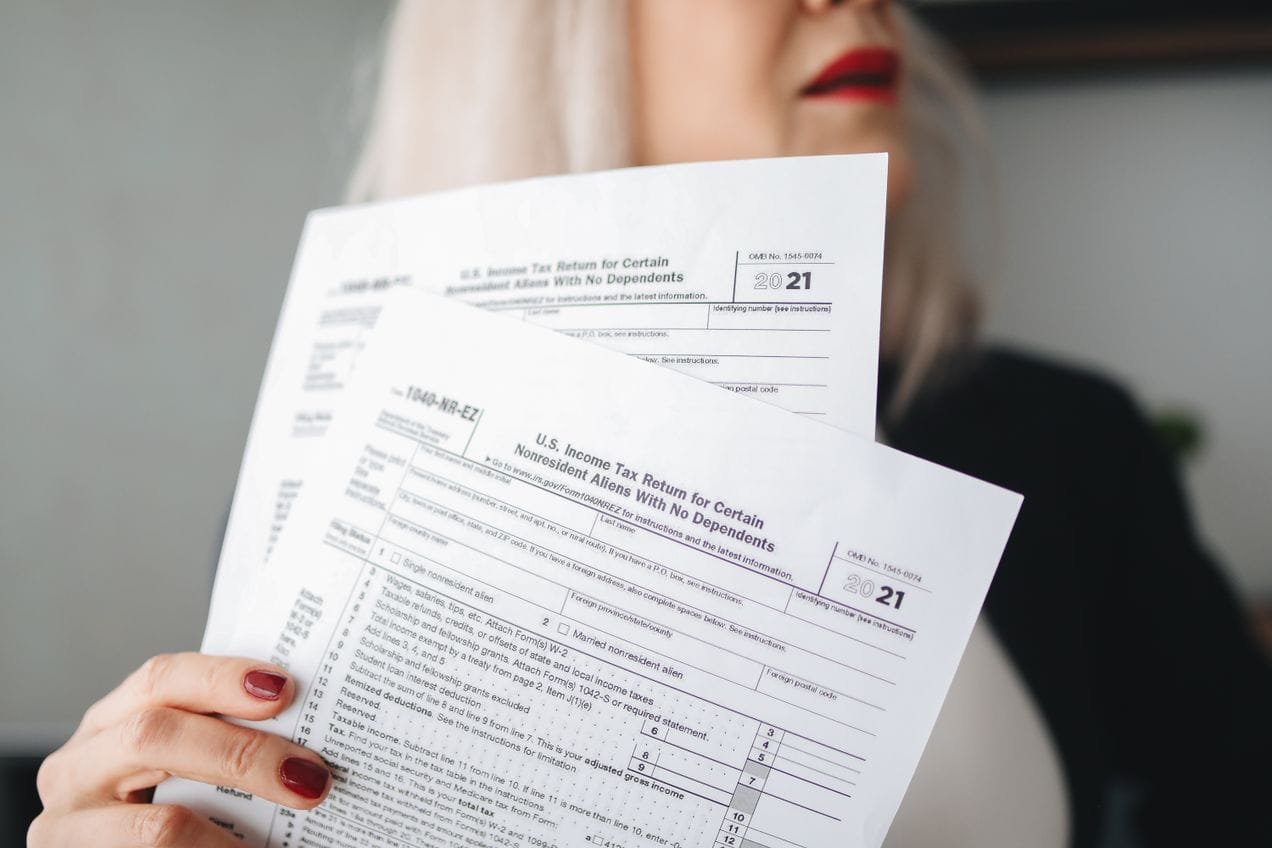
New U.S. Citizen With Prior Nonresident Mistakes: Amended Return Topics Transitioning from a foreign visa status to U.S. citizenship often reveals mistakes made on tax returns filed during earlier...
PFIC and Form 8621 Services for Indian Community in Alabama Are you an Indian professional or business owner living in Alabama while holding mutual funds, SIPs, or unit-linked plans...

New U.S. Citizen With Foreign Accounts Below Threshold: Still Need Review? A frequent assumption among newly naturalized U.S. citizens is that small foreign bank accounts require zero attention or...

New U.S. Citizen Tax Filing Mistakes That Can Trigger IRS Problems Taking the oath of U.S. citizenship is a momentous achievement, but it fundamentally shifts your legal responsibilities under...

New U.S. Citizen With Foreign Account Checkbox: Filing Risk The foreign account questions located in Schedule B, Part III are among the most heavily scrutinized checkboxes on the entire...

New U.S. Citizen Filed Without Form 8938: Risk Review Filing a tax return without required Form 8938 (Statement of Specified Foreign Financial Assets) creates immediate legal exposure. Because this...

First-Time U.S. Tax Filing for O-1 Visa Holders Navigating complex IRS regulations as an extraordinary talent entering the U.S. tax system. Filing U.S. taxes for the first time on...

H-1B With Indian Company Shares: Form 8938 Questions Holding private or public equity in Indian companies while residing in the United States on an H-1B visa triggers detailed foreign...

New U.S. Citizen With Foreign Real Estate: Asset Reporting Questions Owning real estate abroad is a common investment for new U.S. citizens, but U.S. tax treatment depends heavily on...

New U.S. Citizen With Indian Insurance Maturity: U.S. Tax Review Receiving a payout from a matured Indian life insurance policy after becoming a naturalized U.S. citizen creates immediate, complex...