



Green Card Holder With U.S. and Foreign Salary: Filing Review Earning salary from both U.S. and foreign employers in the same tax year creates a complex dual-source income tax...

H-1B With Foreign Salary Before U.S. Arrival: Filing Questions Relocating to the United States on an H-1B visa mid-year means you likely earned foreign salary in your home country...

L-1 Working Outside U.S. During Year: Tax Residency Review L-1 visa holders who perform job duties outside the United States during the tax year often face unexpected shifts in...

L-1 With Remote Work Abroad: U.S. Tax Questions With flexible work arrangements, many L-1 visa holders perform duties remotely from their home country or international locations during the tax...

New U.S. Citizen With Foreign Income Below Threshold: Filing Questions Earning small amounts of foreign income after taking the oath of U.S. citizenship leads many individuals to question whether...

Green Card Holder Working Abroad: U.S. Tax Filing Questions Accepting an overseas employment assignment while holding a U.S. Green Card introduces intersecting tax and immigration challenges. Many permanent residents...
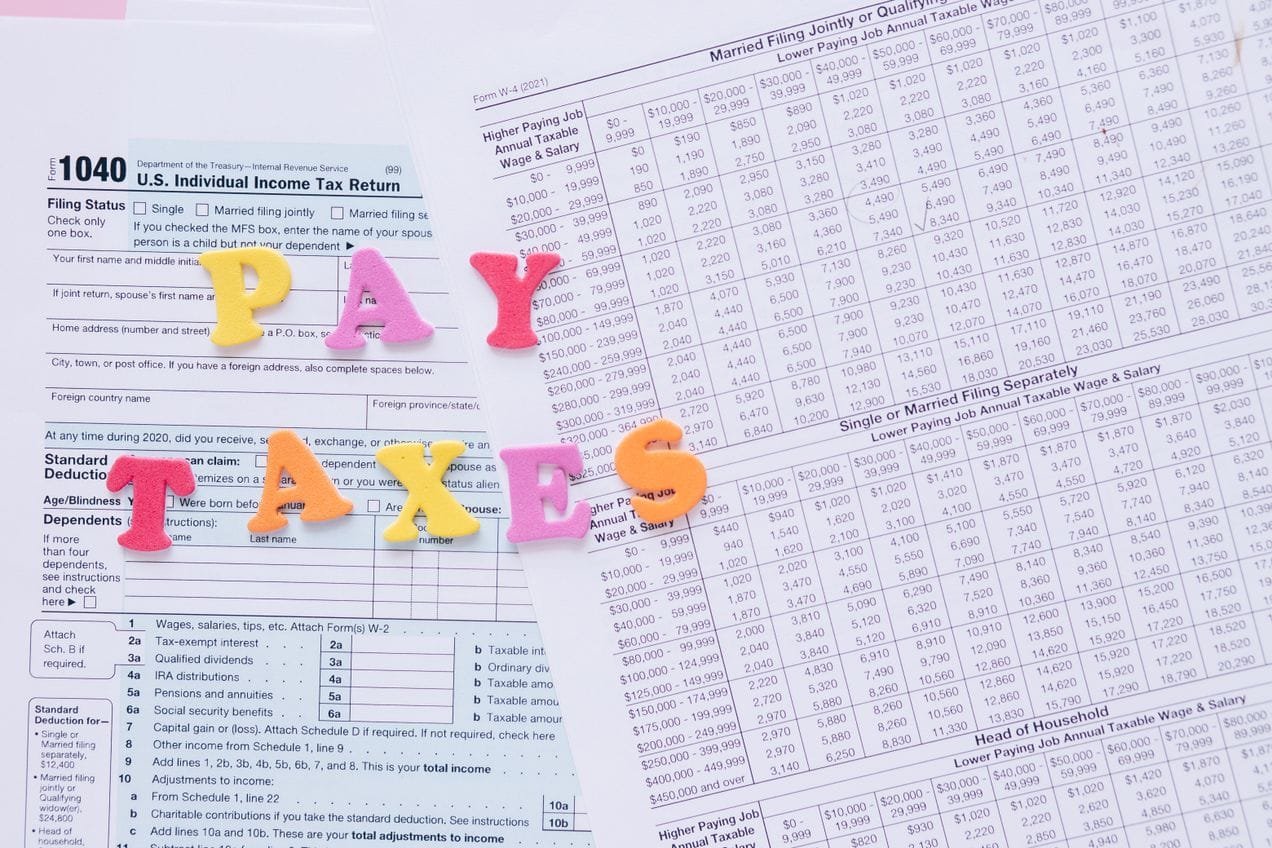
Green Card Holder First 1040 Filing: Worldwide Income Questions Filing your first full-year Form 1040 as a Green Card holder is a legal milestone that shifts your tax obligations...

O-1 Working Outside U.S. During the Year: Tax Review It is common for high-extraordinary-ability professionals on O-1 visas to execute assignments, perform, or consult outside the United States for...
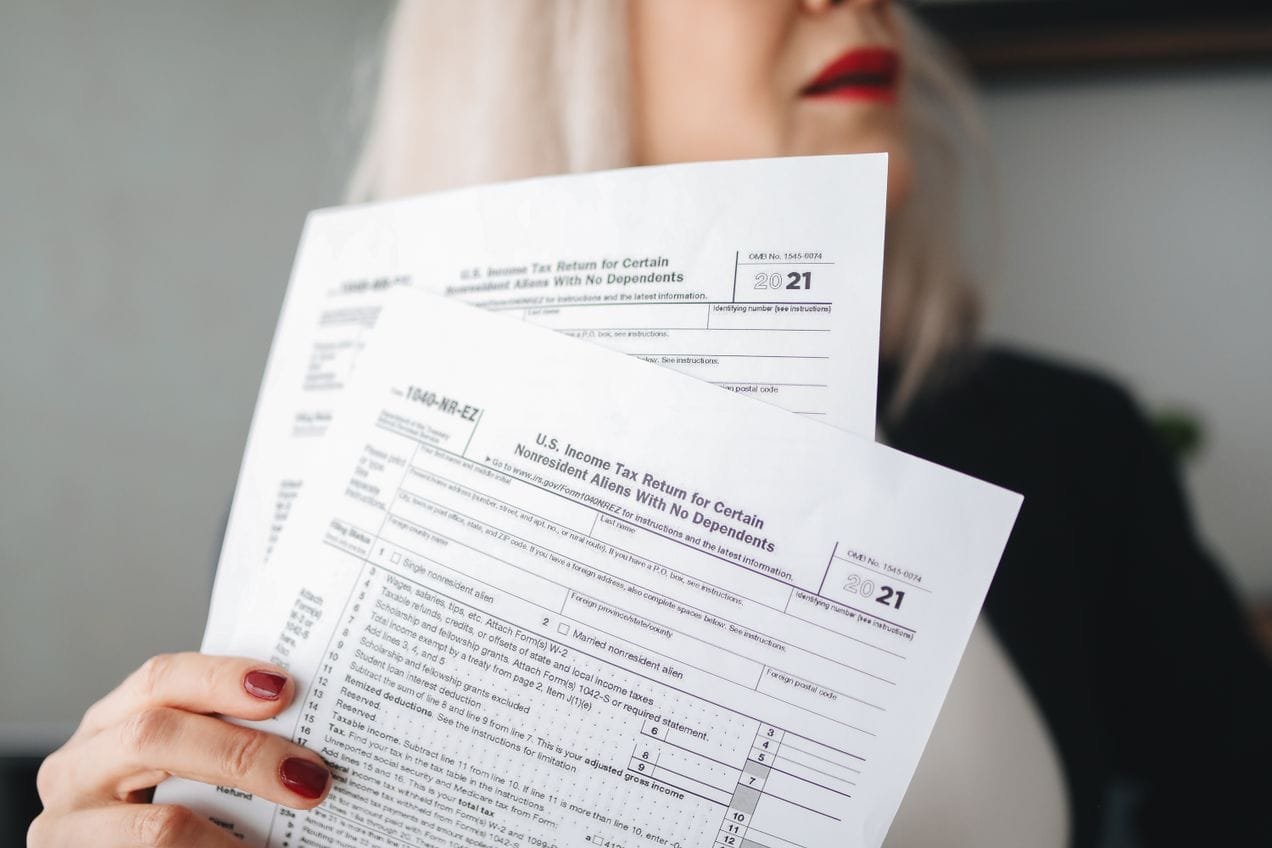
O-1 With Foreign Tax Credits and Treaty Claims: Review Needed High-performing O-1 visa holders often earn income in multiple countries, making Foreign Tax Credits (Form 1116) and Income Tax...

New U.S. Citizen With Foreign Earned Income: Exclusion vs FTC Review Earning income abroad as a new U.S. citizen requires choosing between two primary tax relief mechanisms: the Foreign...