



Green Card Holder Form 1116: First-Time FTC Review Filing Form 1116 (Foreign Tax Credit) for the first time is a critical tax event for new Green Card holders. Form...

L-1 With Indian Fixed Deposits: U.S. Income Reporting Fixed Deposits (FDs) are a cornerstone of financial planning in India, but holding them as an L-1 visa resident in the...

L-1 With NRE and NRO Accounts: Tax Reporting Questions Non-Resident External (NRE) and Non-Resident Ordinary (NRO) accounts are primary financial channels for Indian expatriates moving to the U.S. on...

L-1 With Foreign Interest Income: Schedule B Review Interest earned on foreign bank accounts, savings schemes, or government bonds while living in the U.S. on an L-1 visa is...

L-1 Missed Indian Interest Income: U.S. Tax Filing Risk Omitted Indian bank interest—such as interest from NRE, NRO, or Fixed Deposit (FD) accounts—is one of the most frequent tax...

L-1 Filing Form 1040 for First Time: What Changed? Filing Form 1040 for the first time marks a major transition for L-1 corporate transferees. Moving from a nonresident tax...

New U.S. Citizen With Indian Property Sale: FTC and Reporting Questions Selling property in India after acquiring U.S. citizenship is one of the most complex cross-border transactions a taxpayer...

Americans Living in India: How Indian Government Bonds Complicates Your US Filing from Abroad Living in India as a US citizen opens up direct access to stable, sovereign-backed investment...
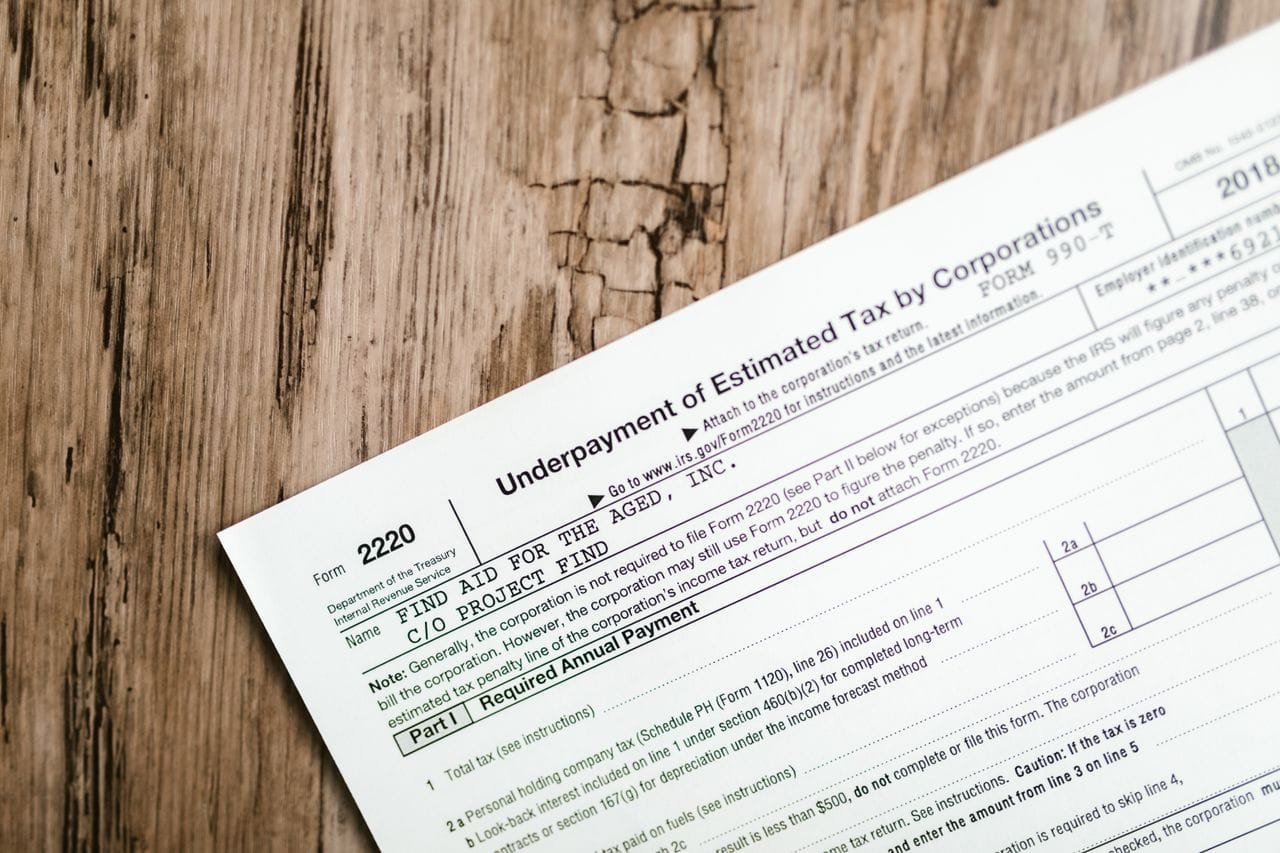
US Citizens Working in India (Foreign Earned Income Exclusion) and Indian Corporate Bonds Reporting Many US citizens working in India utilize the Foreign Earned Income Exclusion (FEIE) to shelter...
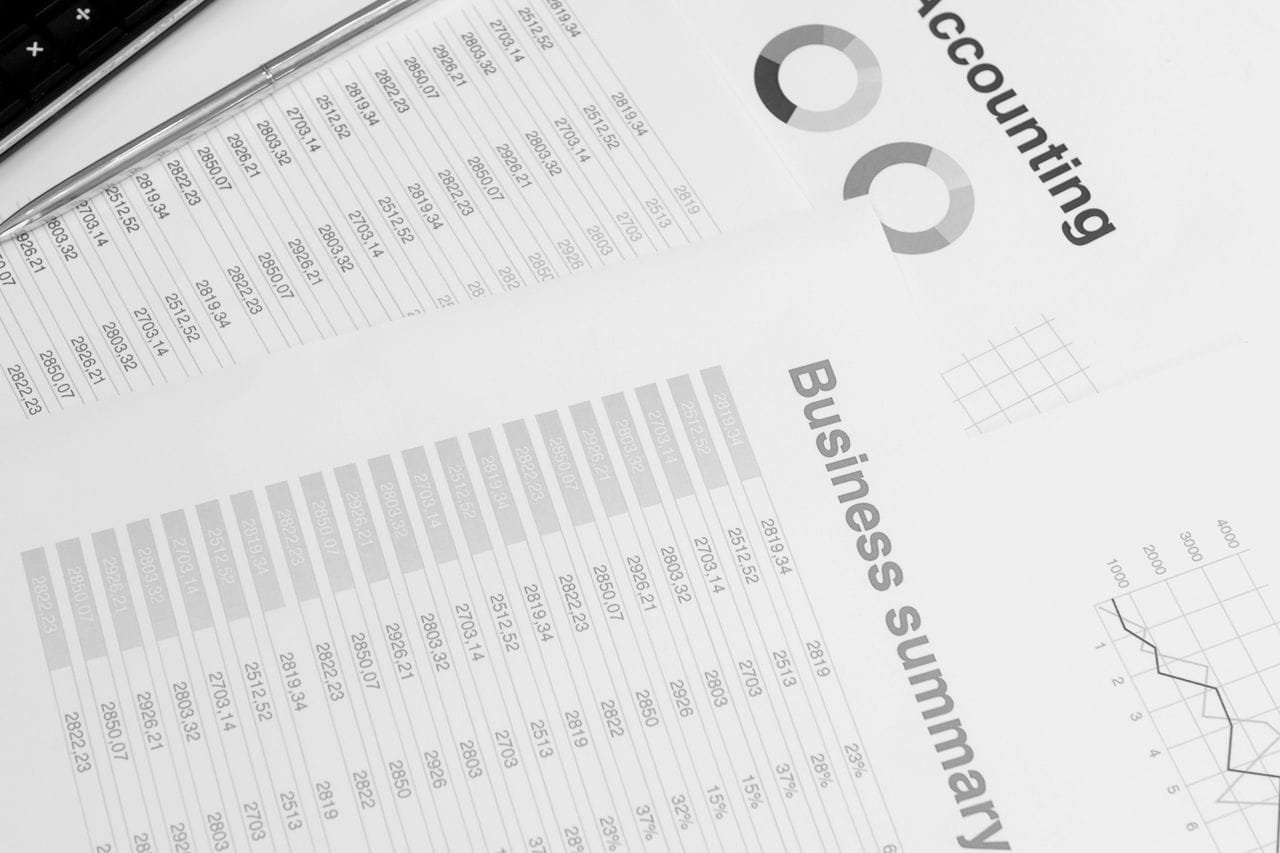
L1A vs L1B: Does Visa Category Change How Indian Corporate Bonds Is Reported to the IRS? Many L1 visa holders wonder if their specific classification, L1A for managers and...