



H-1B Missed FBAR and FATCA: Penalty Questions Failing to report foreign bank accounts or assets while on an H-1B visa is one of the most common international tax mistakes....

H-1B With Worldwide Assets: What Should Be Reported? Holding foreign assets while working on an H-1B visa introduces complex U.S. reporting requirements. Many visa holders are unaware that the...

O-1 Visa Holder Tax Mistakes That Can Trigger IRS Problems Navigating the U.S. tax system as an O-1 visa professional presents a high risk for unintentional non-compliance. Cross-border tax...

O-1 First-Time U.S. Tax Filing Checklist for Global Professionals Filing your first U.S. tax return as an O-1 visa professional requires gathering a distinct set of domestic tax forms,...
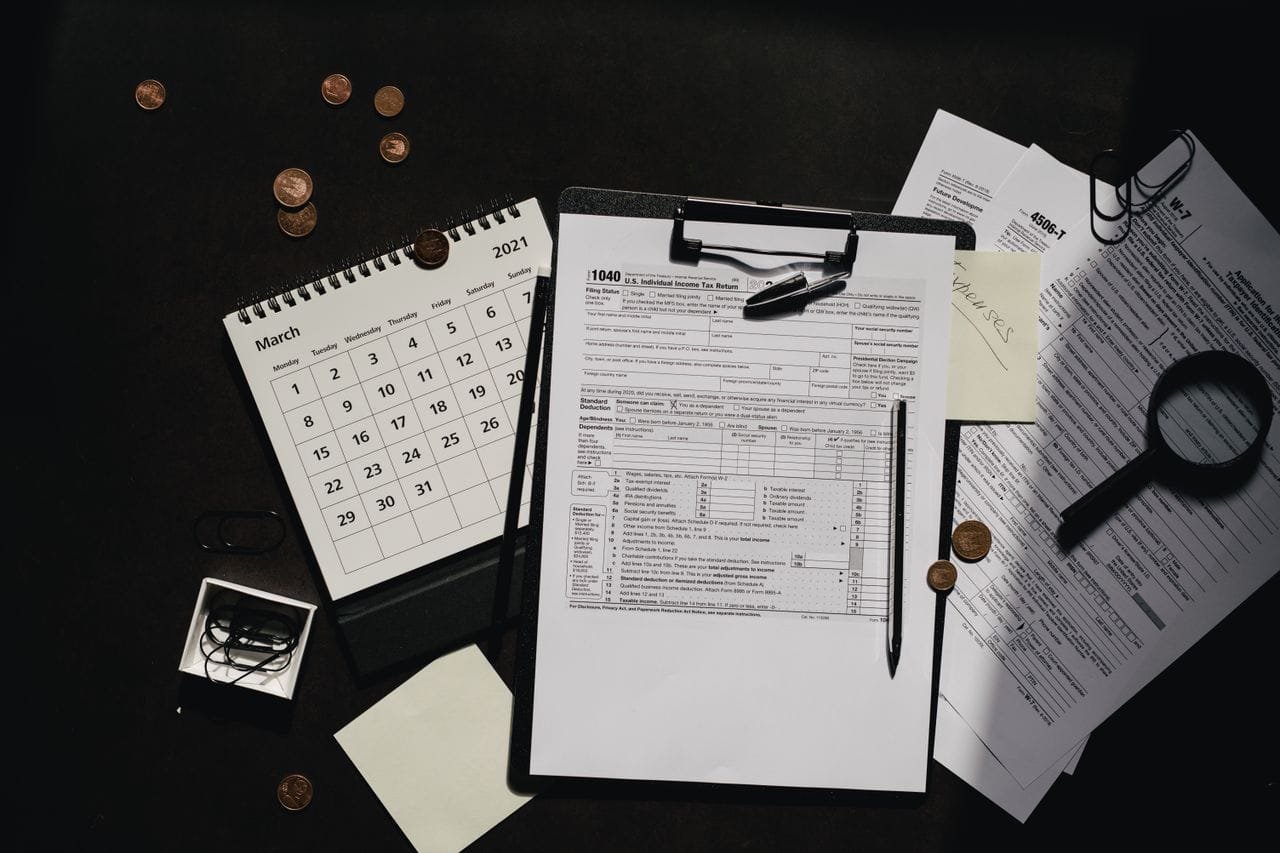
First-Time U.S. Tax Filing for L-1 Visa Holders Moving to the U.S. on an L-1 intra-company transferee visa opens major career opportunities, but it also introduces you to the...

L-1 Visa Tax Residency: What First-Time Filers Should Know Determining your tax residency as an L-1 visa holder is rarely as simple as counting the days you lived in...
L-1 With Indian Bank Accounts: FBAR and FATCA Questions Maintaining bank accounts in India—such as NRE, NRO, or resident savings accounts—after moving to the U.S. on an L-1 visa...
L-1 FBAR Threshold: Common Mistakes Filing the Foreign Bank and Financial Accounts (FBAR) report is one of the most critical compliance duties for L-1 visa holders. Unfortunately, widespread misunderstandings...
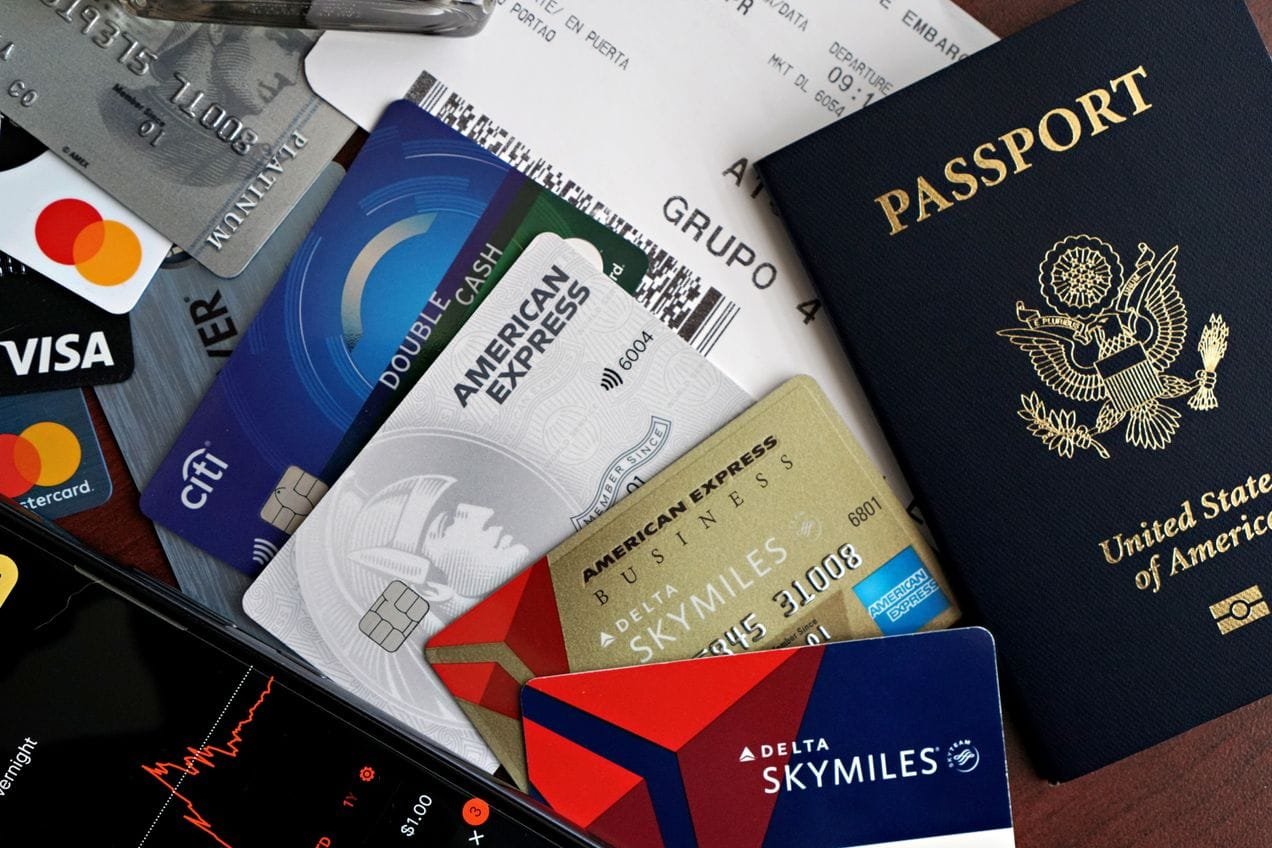
L-1 FATCA Form 8938 Threshold Questions Under the Foreign Account Tax Compliance Act (FATCA), L-1 visa holders with significant overseas assets must file IRS Form 8938 alongside their annual...

L-1 FBAR vs FATCA: What New Residents Confuse Entering the U.S. tax system on an L-1 visa introduces a wave of unfamiliar acronyms and compliance mandates. Among the most...