



Moving to the US on L1 with Existing PPF (Public Provident Fund): Your First-Year Disclosure Checklist Moving from India to the United States on an L1 visa brings massive...

L1 Visa Holders and Indian Savings Bank Accounts: Reporting Rules for Intra-Company Transferees Relocating to the United States as an intra-company transferee on an L1 visa streamlines your career...

OPT/STEM Extension Workers with Physical Gold Holdings: Nonresident vs. Resident Alien Reporting Transitioning from student life to the workforce via OPT or the STEM extension is a significant career...

Self-Employed on O1 with Physical Gold Holdings in India: Compliance Considerations For self-employed O1 visa holders, moving to the U.S. creates a new set of tax reporting responsibilities. While...

Conditional vs. Permanent Green Card: Does It Change Physical Gold Holdings Reporting Requirements? Whether you hold a “conditional” green card or a permanent one, your tax obligations to the...
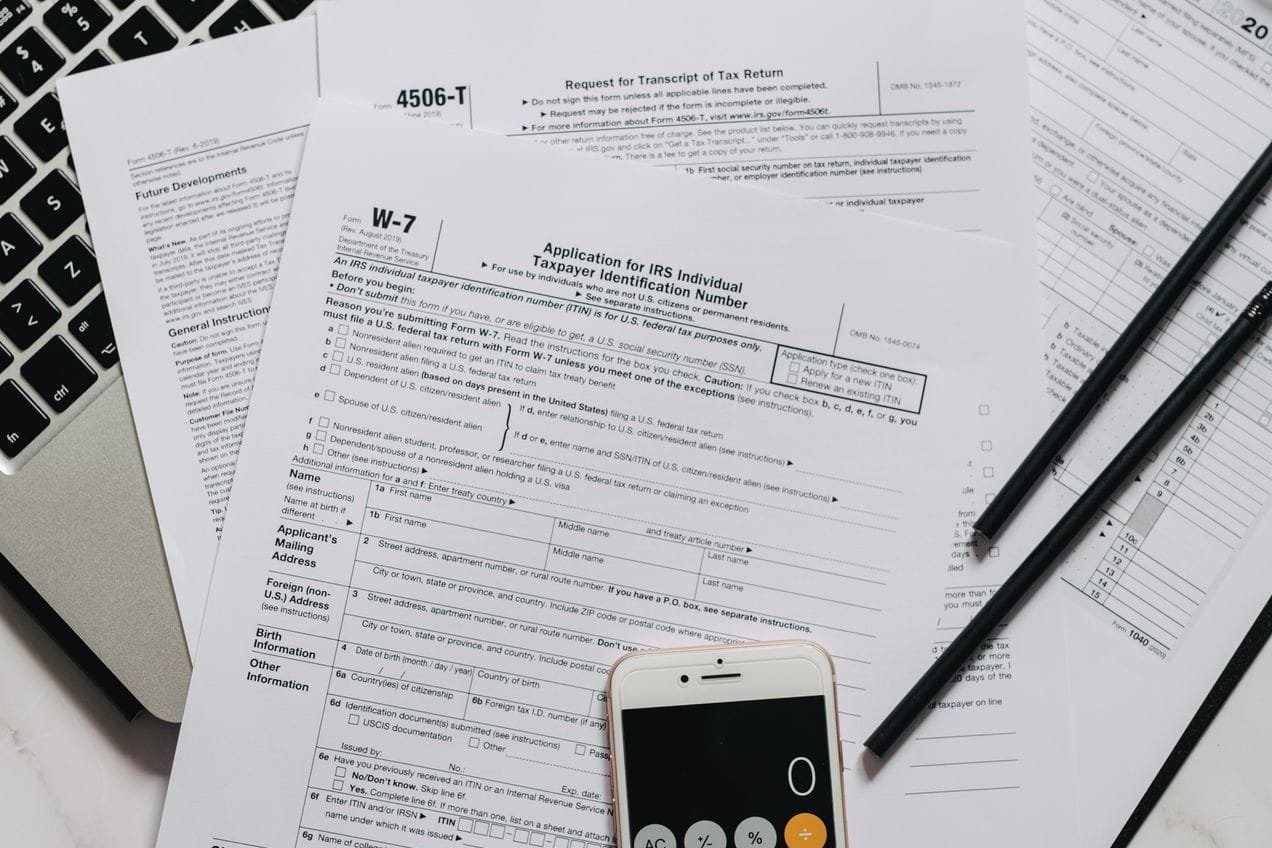
L1A vs L1B: Does Visa Category Change How Physical Gold Holdings Is Reported to the IRS? Whether you are on an L1A or L1B visa, the visa category itself...

Dual Citizens (US-India Origin) and Sovereign Gold Bonds: A Lifetime Reporting Obligation As a U.S. citizen or permanent resident, your obligation to report worldwide income and foreign financial assets...

Self-Employed on O1 with Sovereign Gold Bonds in India: Compliance Considerations Moving to the U.S. on an O1 visa brings new tax responsibilities, especially if you maintain financial assets...
L1 Visa Holders and Sovereign Gold Bonds: Reporting Rules for Intra-Company Transferees As an L1 visa holder, your transition to U.S. tax residency, triggered by the Substantial Presence Test,...

H1B Dual-Status Year Filing: Where Sovereign Gold Bonds Fit on Your First US Tax Return Transitioning from an F1 student to an H1B employee often results in a “dual-status”...