



L1 Visa Holders and PPF (Public Provident Fund): Reporting Rules for Intra-Company Transferees Relocating to an American corporate office on an L1 visa shifts your financial relationship with the...

H1B Dual-Status Year Filing: Where PPF (Public Provident Fund) Fits on Your First US Tax Return Moving from India to the U.S. on an H1B visa mid-year triggers a...
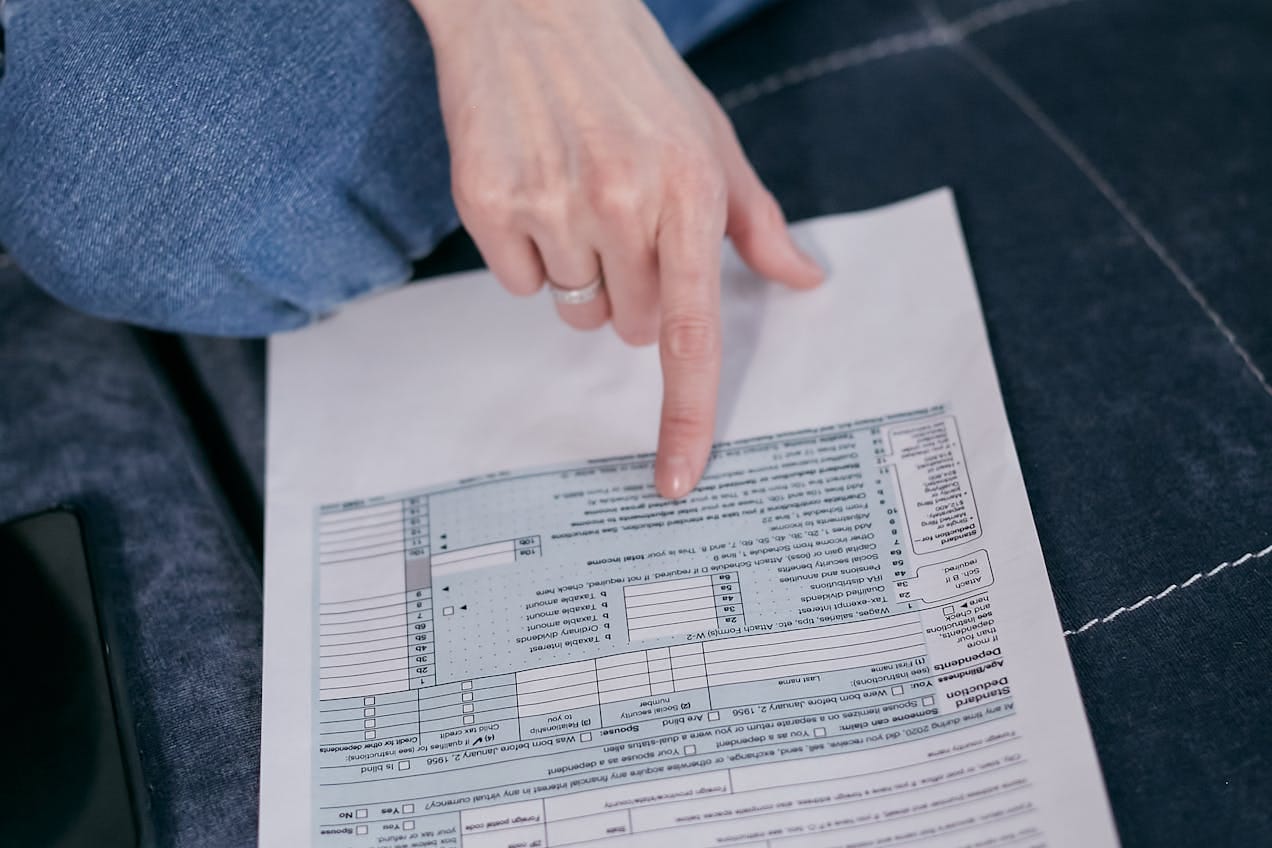
H1B First-Year Filers: Do You Owe Reporting on PPF (Public Provident Fund) You Held Before Moving to the US? Moving to the US on an H1B visa introduces you...

H-1B Relocating Back to India: U.S. Exit-Year Tax Questions Relocating from the United States back to India while on an H-1B visa requires careful closing of your U.S. tax...

H-1B First-Time Tax Filer With Foreign Assets: CPA Review Topics Filing your first U.S. tax return as an H-1B visa holder with foreign assets requires a detailed compliance review....

H-1B Tax Filing Mistakes That Can Trigger IRS Problems Navigating the U.S. tax system on an H-1B visa presents numerous opportunities for unintentional errors. Tax filing mistakes made by...

L1A vs L1B: Does Visa Category Change How Indian Mutual Funds Is Reported to the IRS? Whether you are on an L1A or L1B visa, your reporting obligations for...
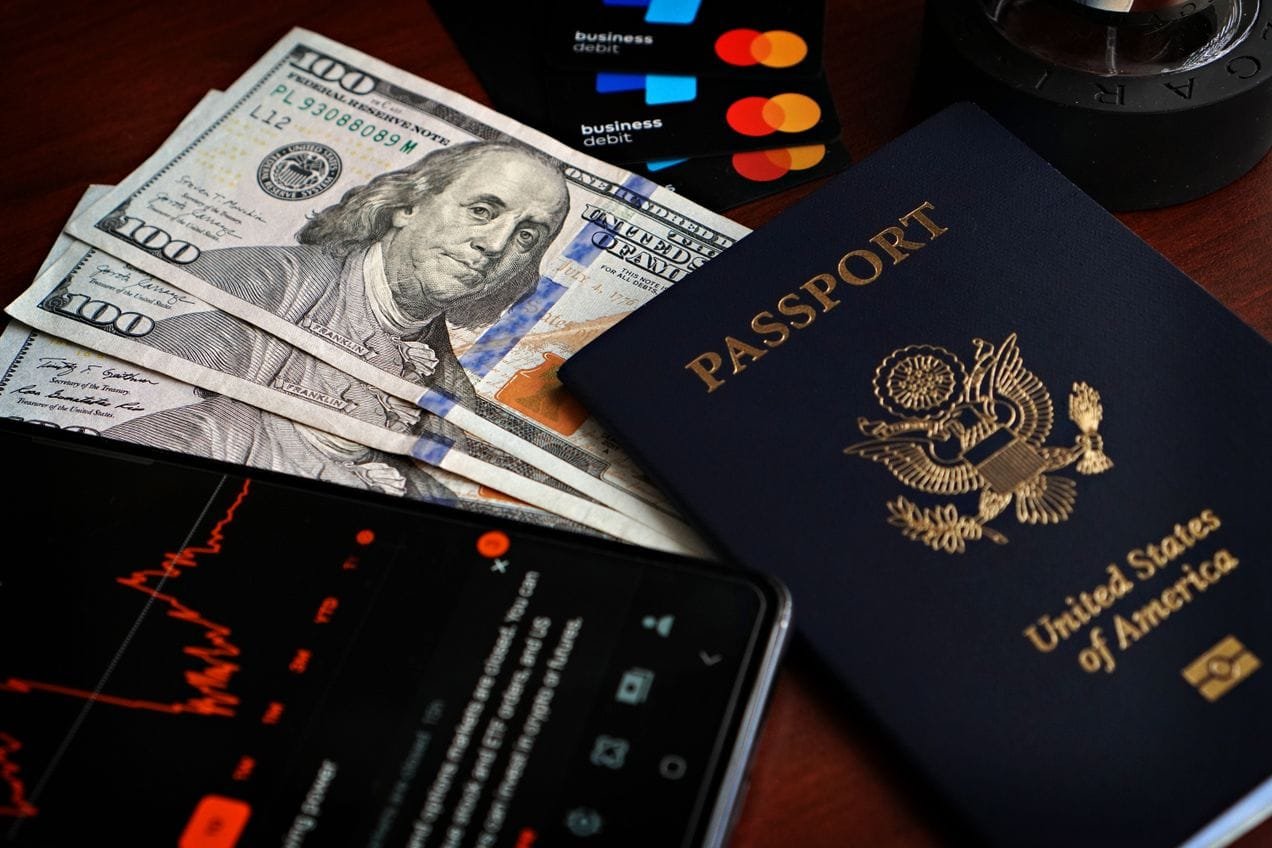
H1B Dual-Status Year Filing: Where Indian Mutual Funds Fits on Your First US Tax Return Relocating from India to the United States on an H1B visa creates a complex...

H1B to Green Card Transition: How Reporting Obligations on Indian Mutual Funds Change Transitioning from an H1B visa to a Green Card is a major milestone for your career...

H1B First-Year Filers: Do You Owe Reporting on Indian Mutual Funds You Held Before Moving to the US? Relocating to the United States on an H1B visa introduces a...