



O1 Visa Renewal Years and RFC Accounts: Does Tax Residency Reset Your Reporting Clock? Cross-border professionals often assume that an O1 visa extension or a temporary break in U.S....

US Citizens by Birth to Indian Parents: Do You Owe Back Reporting on Indian Savings Bank Accounts? Many individuals born in the U.S. to Indian parents grow up with...

US Citizens (US-India Origin) and Indian Savings Bank Accounts: A Lifetime Reporting Obligation Holding U.S. citizenship while maintaining strong heritage ties in India often creates unique multi-jurisdictional financial duties....

US Citizens with Indian Savings Bank Accounts in India: Why Citizenship-Based Taxation Changes Everything Naturalizing as a United States citizen is a major personal milestone, but it fundamentally redefines...

Conditional vs. Permanent Green Card: Does It Change Indian Savings Bank Accounts Reporting Requirements? Transitioning to lawful permanent resident status in the United States brings exciting long-term opportunities, but...

Green Card Holders Living Part-Time in India: Indian Savings Bank Accounts Reporting You Can’t Skip Dividing your time between the United States and India offers immense personal and financial...
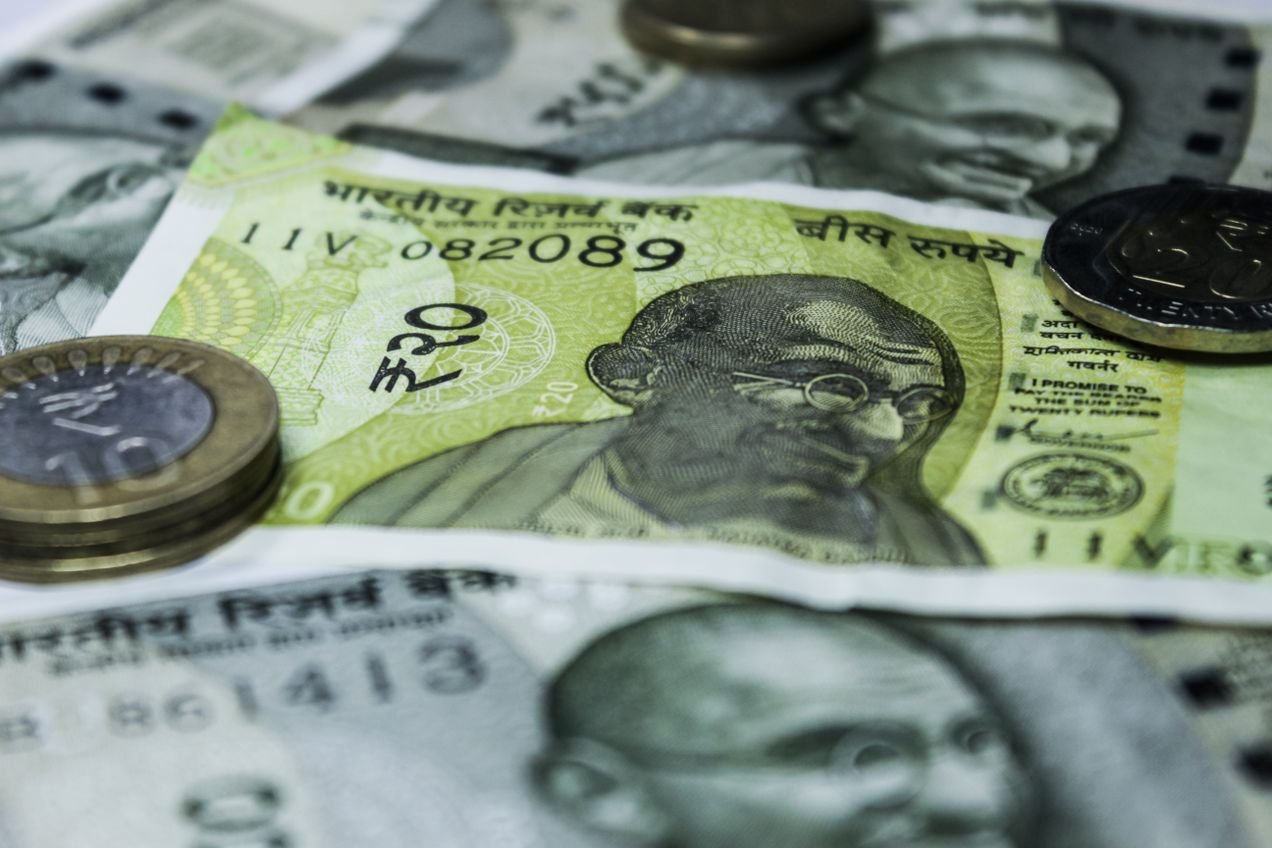
Indian Mutual Fund U.S. Tax Reporting Services in Louisiana Holding mutual funds in India while residing in Louisiana is one of the fastest ways to incur punitive IRS interest...

H1B Dual-Status Year Filing: Where Indian Savings Bank Accounts Fits on Your First US Tax Return Transitioning to H1B status mid-year often creates a dual-status tax year. During your...

L1A vs L1B: Does Visa Category Change How Indian Savings Bank Accounts Is Reported to the IRS? Moving to the US under an L-1 intra-company transferee visa places your...

Moving to the US on L1 with Existing Indian Savings Bank Accounts: Your First-Year Disclosure Checklist Relocating from India to the US on an L1 transferee visa involves a...