



F1 Students on CPT/OPT: Common Myths About Reporting PPF (Public Provident Fund) to the IRS Working in the US on Curricular Practical Training (CPT) or Optional Practical Training (OPT)...

Dual Citizens (US-India Origin) and PPF (Public Provident Fund): A Lifetime Reporting Obligation For individuals holding both US citizenship and Indian roots, maintaining ties to India’s financial system is...
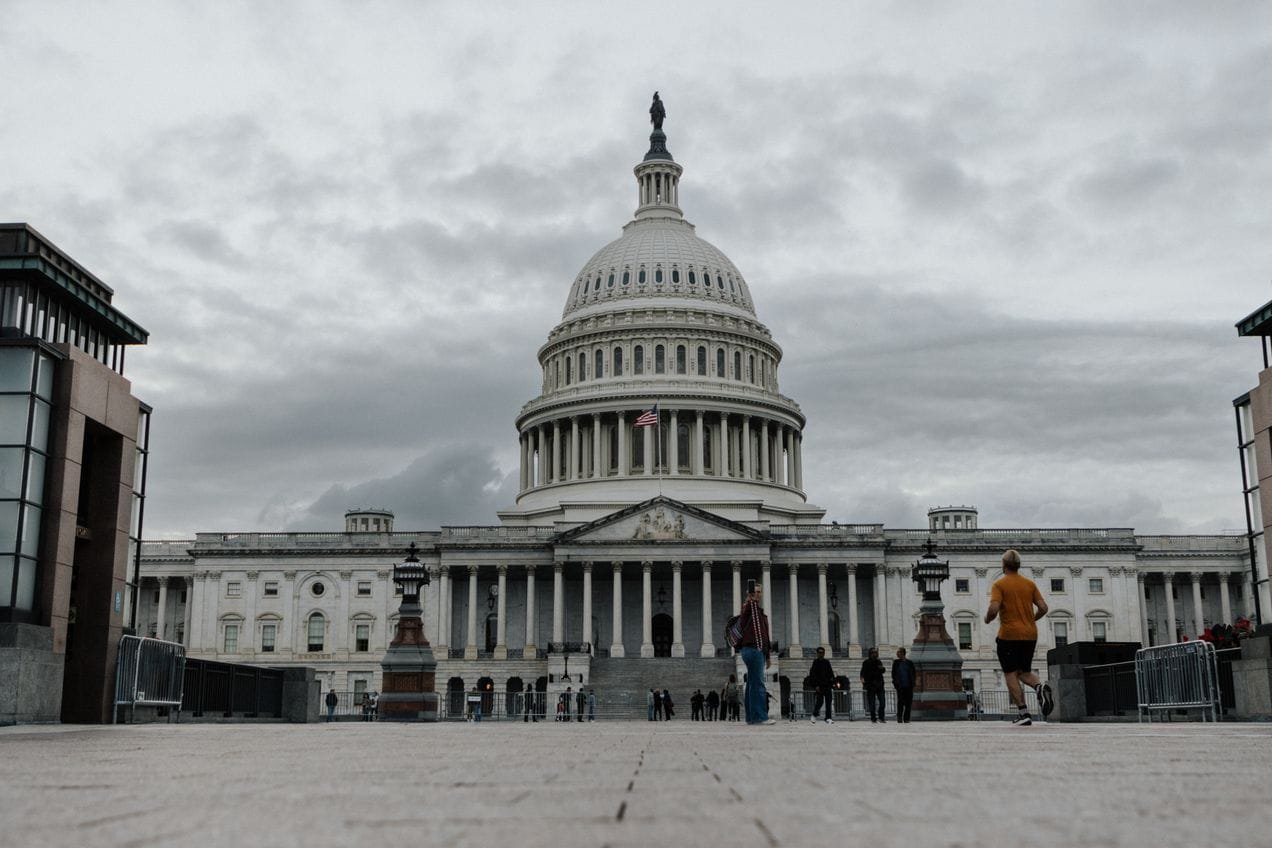
First-Time U.S. Tax Filing for H-1B Visa Holders Filing taxes in the United States for the first time as an H-1B visa holder can feel confusing and overwhelming. Many...

F1 Students on CPT/OPT: Common Myths About Reporting NRE Fixed Deposits to the IRS Navigating the U.S. tax landscape while working on Curricular Practical Training (CPT) or Optional Practical...

OPT/STEM Extension Workers with NRE Fixed Deposits: Nonresident vs. Resident Alien Reporting Working in the United States on Optional Practical Training (OPT) or a STEM OPT extension provides valuable...

Self-Employed on O1 with PPF (Public Provident Fund) in India: Compliance Considerations Many self-employed professionals residing in the U.S. on an O1 visa of extraordinary ability manage businesses while...

The Substantial Presence Test and PPF (Public Provident Fund): When H1B Filers Must Start Reporting Many Indian professionals moving to the U.S. on an H1B visa believe their Public...

IRS Timing Rules Every International Investor Should Understand Misinterpreting federal timing rules can transform a profitable global investment into a costly tax liability. For US persons building wealth overseas,...

IRS Constructive Receipt Rules for Foreign Bank Deposits Federal tax principles dictate when overseas bank earnings legally trigger income tax liabilities. The constructive receipt doctrine is a foundational pillar...

IRS Section 1272 and Foreign Deposits Internal Revenue Code Section 1272 is the primary statutory authority governing the inclusion of Original Issue Discount in gross income. While originally written...