



F-1 Student Dual-Status Return: When It May Apply A dual-status tax return applies when an individual is classified as both a non-resident alien and a resident alien within the...

F-1 Student With Indian Mutual Funds: PFIC and U.S. Tax Risks Investing in foreign pooled investments, such as Indian mutual funds or Systematic Investment Plans (SIPs), creates severe compliance...

F-1 Student With PPF Account: U.S. Tax and Reporting Questions The Public Provident Fund (PPF) is one of India’s most popular long-term tax-exempt savings vehicles. Many international students arrive...

F-1 Student With EPF Account: What Should Be Reviewed? Many international students who worked in India prior to pursuing higher education in the U.S. leave active Employees’ Provident Fund...

F-1 Student With Foreign Rental Income: First-Time U.S. Tax Filing International students who own residential property in their home country often continue receiving foreign rental payments while studying in...

F-1 Student With Foreign Capital Gains: Tax Filing Risk Areas Selling foreign assets—such as home-country equities, mutual funds, physical real estate, or cryptocurrency—while studying in the U.S. creates significant...

F-1 Student Tax Treaty Benefits: Common Filing Questions International students pursuing higher education in the United States under F-1 visas often qualify for valuable income tax treaty provisions. The...
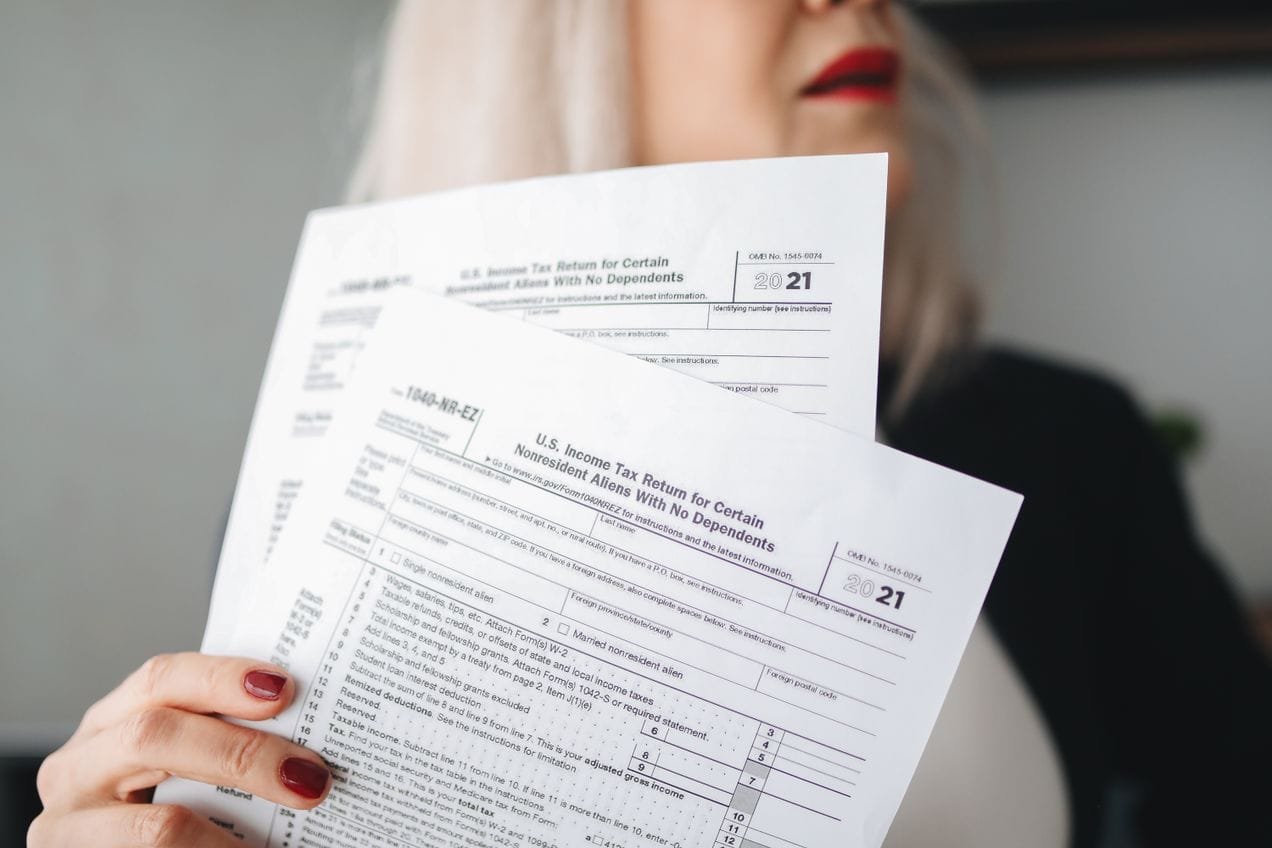
F-1 Indian Student Standard Deduction Treaty Benefit Questions Among all international students in the U.S., students from India hold a unique advantage under the U.S.–India Income Tax Treaty. Under...

F-1 Student Claiming Treaty Benefit: Why CPA Review Matters Self-preparing tax returns using off-the-shelf software is common among international students. However, standard tax software is designed primarily for U.S....

F-1 Student With Scholarship Income: U.S. Tax Filing Issues Financial aid, tuition waivers, and fellowship stipends are vital sources of funding for F-1 international students. However, the IRS treats...