


US Citizens with Indian HUF (Hindu Undivided Family) Assets in India: Why Citizenship-Based Taxation Changes Everything
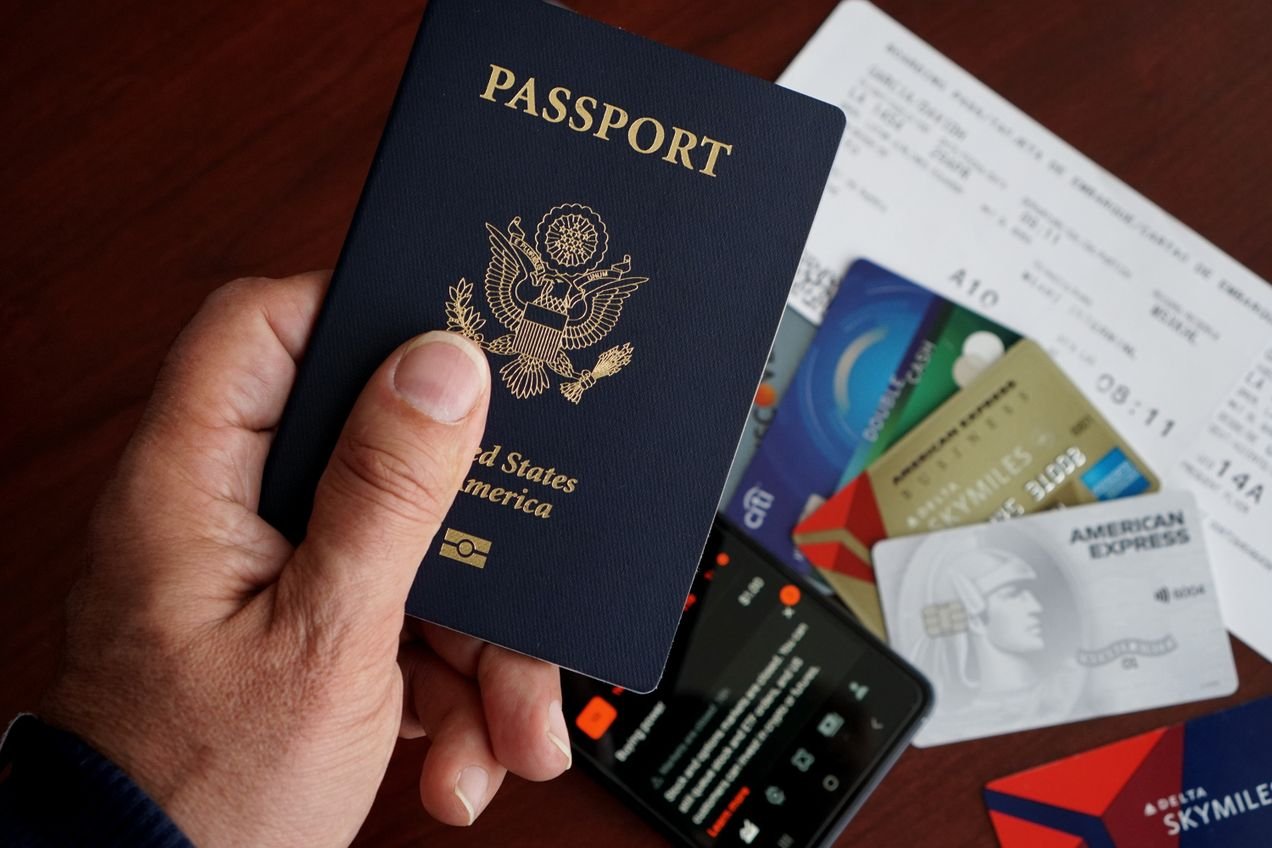
The United States is one of only two nations that taxes its citizens on worldwide income, regardless of where they live. For US citizens holding inherited rights or administrative positions in an Indian HUF, this citizenship-based tax system creates lifelong international reporting obligations. Understanding how the IRS evaluates these ancestral structures is critical to preserving your financial standing.
Citizenship-Based Taxation and Foreign Family Entities
Unlike non-citizens whose tax exposure depends on physical presence or visa status, US citizens are tied to the IRS from birth or naturalization. This means that ancestral arrangements in India—such as family-held HUF real estate, business interests, and local bank accounts—are permanently within the scope of US international reporting enforcement.
US Citizenship Status ──► Permanent Universal IRS Tax Jurisdiction
│
┌───────────────────────────┴───────────────────────────┐
▼ ▼
FBAR / FATCA Foreign Account Disclosures Form 3520 Foreign Trust & Gift Returns
Core Compliance Hazards for US Citizens with HUF Holdings
- Severe Non-Filing Penalties: The IRS enforces severe civil penalties for failure to disclose foreign financial accounts and offshore entities.
- Foreign Trust Misclassifications: Treating an HUF as a simple family agreement rather than a reportable foreign trust structure can lead to automatic $10,000+ fines.
- Passive Foreign Investment Company (PFIC) Overlap: HUFs investing in Indian mutual funds trigger complex PFIC tax rates on US tax returns.
How KKCA Can Help
- Citizenship Tax Advisory: We specialize in cross-border tax strategy tailored specifically for US citizens with overseas heritage.
- HUF Entity Classification: Our team analyzes your family HUF documents to determine proper IRS tax handling.
- Comprehensive Disclosure Clean-Up: We utilize IRS voluntary disclosure channels to resolve multi-year non-reporting issues.
- Worldwide Estate & Wealth Planning: We assist US citizens in structuring ancestral inheritance transfers cleanly.
Conclusion
Holding US citizenship while maintaining ties to an Indian HUF requires constant attention to international tax laws. A proactive compliance strategy is the only way to safeguard your ancestral wealth from severe IRS penalties.
Call to Action
Looking for personalized tax services about your specific tax situation? Please contact us. We are here to help you with your specific tax matters.
Disclaimer
This guide is for informational purposes only and does not constitute legal or tax advice. IRS audit priorities and OBBBA regulations are subject to frequent change. Please consult a qualified tax professional for your specific situation.
FAQ
Q1: Why does being a US citizen make Indian HUF reporting more stringent?
A1: Citizenship subjects you to permanent worldwide income reporting and aggressive foreign account disclosures, with no statutory exemptions.
Q2: Is an inheritance received from an Indian HUF taxable to a US citizen?
A2: Inheritances themselves are generally not income-taxed, but receiving foreign distributions triggers strict reporting on Form 3520.
Q3: Can a US citizen serve as the Karta of an Indian HUF without triggering major US tax issues?
A3: Acting as Karta creates significant control and signature authority issues, often triggering complex foreign trust and account filings.